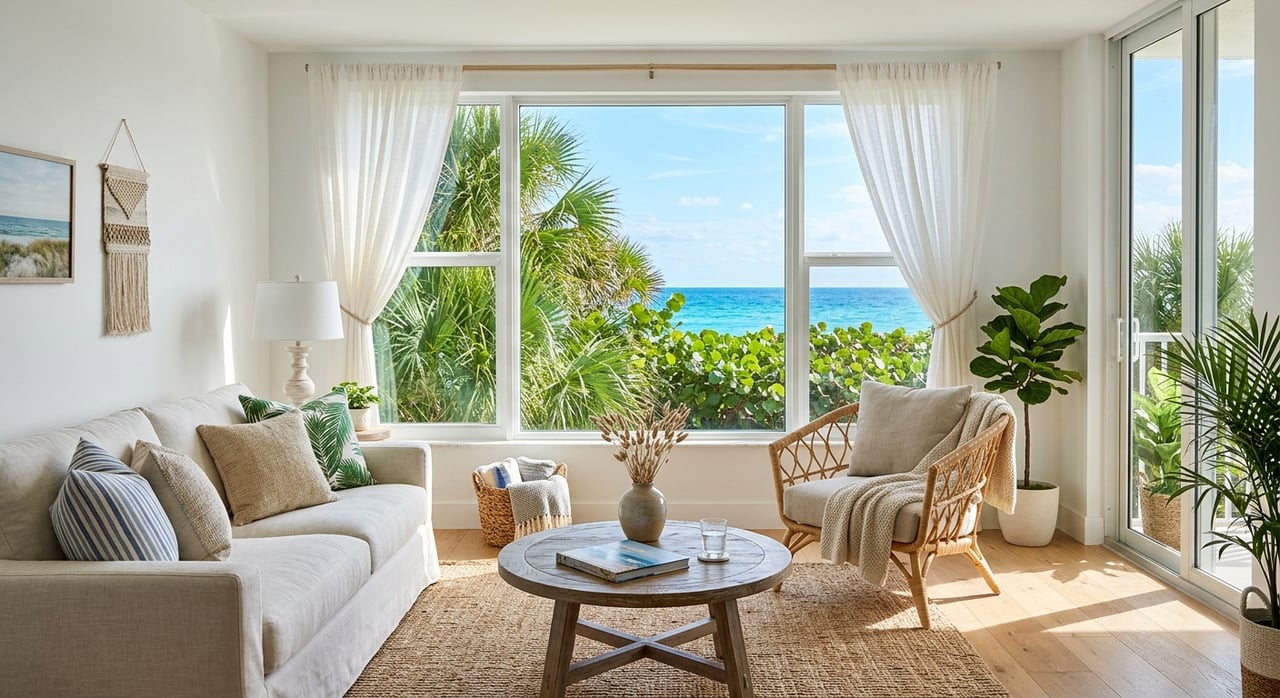
If you are getting ready to sell on Anna Maria, one question can shape your whole strategy: should you leave the home furnished or clear it out first? In a coastal market where many buyers are looking for convenience, lifestyle, or rental potential, the answer is not always simple. The right choice can help your home feel move-in ready and stand out, while the wrong one can make it feel cluttered or too personal. Let’s walk through how to decide what makes the most sense for your Anna Maria home.
Why This Question Matters in Anna Maria
Anna Maria is not a typical resale market. As of March 2026, Realtor.com’s local market data for Anna Maria shows 105 homes for sale, a median listing price of $2,995,000, 77 median days on market, and a 94% sale-to-list ratio. The site also classifies the area as a buyer’s market, which means buyers often have more choices and more room to compare homes carefully.
That matters because presentation and convenience carry extra weight when inventory is available. A furnished home can sometimes help buyers connect emotionally faster, especially when it feels polished, intentional, and easy to enjoy right away. In the wrong setup, though, furnishings can distract from the home itself.
Anna Maria Island also draws local, national, and international visitors, according to the Anna Maria Island Chamber of Commerce. Combined with continued out-of-state migration into Sarasota and Manatee counties noted in the research, that points to a buyer pool that may include second-home shoppers, relocators, and investors. For many of those buyers, a turnkey property can be especially appealing.
When Selling Furnished Can Help
A furnished sale can work well when your home already shows beautifully. If the furniture is high quality, well-scaled, and cohesive with the home’s coastal style, it can help buyers picture the lifestyle the property offers.
The National Association of Realtors staging guidance supports this idea. NAR reports that about 80% of buyer’s agents say staging helps clients visualize living in a home, and about one-third say staging can increase value by 1% to 10%. While furnishing a home for sale is not exactly the same as formal staging, the overlap is clear: spaces that feel clean, edited, and livable tend to connect better with buyers.
Florida’s luxury market data points in the same direction. In Florida Realtors’ article on turnkey luxury homes, fully furnished homes are described as drawing stronger interest from high-end buyers, especially second-home shoppers who want a faster move and fewer logistics. The same article notes that furnished sales can shorten time on market when the design feels aligned with the home and location.
Buyers Who May Prefer Furnished Homes
In Anna Maria, furnished homes often appeal most to buyers who want simplicity. That can include:
- Second-home buyers who want to start using the property soon after closing
- Out-of-state buyers who do not want to coordinate shipping and setup right away
- Vacation-rental buyers who value a more ready-to-operate property
- Seasonal owners who want a smoother, lower-hassle transition
For these buyers, furniture can feel like more than décor. It can signal that the home is ready for immediate enjoyment.
When Selling Furnished Can Hurt
Not every home benefits from a furnished sale. If the furniture is dated, oversized, heavily worn, or very personalized, it can weaken your marketing instead of helping it.
A buyer should notice your floor plan, natural light, finishes, and overall condition first. If the rooms feel crowded or visually inconsistent, the furnishings can make it harder for buyers to focus on the home itself. In a buyer’s market, that extra friction can matter.
This is especially true in higher price points, where buyers may expect a more polished presentation. Florida Realtors notes that a strong design aesthetic can widen appeal, while mismatched interiors can narrow it. In other words, turnkey only works when it truly feels turnkey.
A Hybrid Option Often Works Best
For many Anna Maria sellers, the best answer is not fully furnished or fully empty. It is a thoughtful middle ground.
A hybrid approach usually means keeping the pieces that fit the home best, removing personal items and clutter, and using staging or virtual staging where needed. NAR’s staging guidance shows that rooms like the living room, bedrooms, and bonus spaces often matter most to buyers, so those are smart places to focus your effort.
This can be especially helpful if you have some great core furniture but not a full, cohesive package. You keep the home feeling warm and functional without forcing every item into the sale.
Signs a Hybrid Strategy Makes Sense
You may want to consider a hybrid plan if:
- Your best furniture fits the home, but some pieces do not
- You want the home to feel inviting without including everything
- You are planning to take sentimental or high-value personal items with you
- The property would benefit from light staging rather than a full furniture transfer
This approach can give you flexibility while still helping the home show well online and in person.
Vacation Rental Rules Matter Too
If your property may appeal to a vacation-rental buyer, furnishing can have an added layer of value. A buyer may look at the home not just as a residence, but as a property that could be used and operated quickly.
That said, city rules are important. The City of Anna Maria requires an active vacation rental license, annual renewals, annual inspections, state and county tax registrations, and a 24/7 contact person. The ordinance also caps occupancy at eight guests per vacation rental, and rental registration must be modified within 30 days after a sale or transfer, as outlined in the city ordinance document.
So while a furnished sale may make a property feel more turnkey, it does not replace the need for proper compliance. If your buyer is thinking about rental use, the furnishings may be part of the appeal, but the legal setup still needs to be addressed separately.
The Contract Must Be Clear
This is one of the most important parts of a furnished sale in Florida: the contract controls what stays. You should never assume that because something appears in photos or the MLS, it automatically transfers with the home.
Florida Realtors explains that items need to be clearly written into the contract if they are included, and anything you want removed should also be excluded in writing. Their example is simple but important: if a buyer wants the washer and dryer, include them in the contract; if a seller wants to keep a chandelier, exclude it clearly.
That matters even more with furnishings because Florida law treats real property and personal property differently. Under Florida statute, furniture is generally not considered a fixture. That means it is usually personal property, not something that transfers automatically with the real estate.
What Sellers Should Document
Before you list, it helps to create a written inventory of what you may include and what you plan to keep. That list can save time and reduce misunderstandings later.
Your working list should cover:
- Major furniture pieces by room
- Outdoor furniture
- Decorative items, if any are included
- TVs or mounted electronics, if applicable
- Linens, kitchen items, or housewares, if they may transfer
- Items specifically excluded from the sale
The more specific the list, the smoother the negotiation process tends to be.
Watch for Tax Details
There may also be tax implications when furnishings are priced separately from the real estate. According to the Florida Department of Revenue rule, if tangible personal property is separately described and separately priced in the contract, bill of sale, or similar document, sales tax applies to that personal property portion when a broker is involved.
If the personal property is not separately priced apart from the real property, the transaction is treated as a real-property sale and is not subject to sales tax. This is one reason a furnished sale should be handled carefully and early, not as a last-minute side conversation.
Because every transaction can have details that affect timing and paperwork, it is smart to coordinate closely with your real estate team, closing agent, and, if needed, a tax professional.
How to Decide What Is Best for Your Home
If you are unsure whether to sell furnished, start with the buyer most likely to want your property. In Anna Maria, that often means thinking about whether your home is most attractive to a full-time owner, a second-home buyer, or an investor.
Then look honestly at the furniture itself. Does it support the home’s style and price point? Does it make rooms feel open, bright, and easy to imagine living in? Or does it create distractions that could limit appeal?
A simple decision framework can help:
| Question | If Yes | If No |
|---|---|---|
| Is the furniture cohesive and high quality? | Furnished or hybrid may work well | Consider removing or staging selectively |
| Does your likely buyer value turnkey convenience? | Furnished may add appeal | Unfurnished may be just fine |
| Are the interiors too personal or dated? | Edit heavily or remove items | Keep strong core pieces |
| Do you want a simpler move-out process? | Furnished sale may reduce logistics | Traditional move may be better |
| Are you prepared to document inclusions clearly? | Move forward with a clear plan | Avoid vague furnished marketing |
The goal is not simply to leave furniture behind. The goal is to make the home easier to say yes to.
The Bottom Line for Anna Maria Sellers
In Anna Maria, selling your home furnished can be a smart strategy, especially if your likely buyer is a second-home shopper or vacation-rental buyer who values a smooth, turnkey transition. In the current market, that convenience can help your home stand out.
But furnished does not automatically mean better. The furniture needs to fit the home, support its coastal-luxury presentation, and be documented clearly in the contract. If it does not, a hybrid or lightly staged approach may serve you better.
If you want help deciding how your home will show best, local strategy matters. The right answer depends on your property, your buyer pool, and how you want to position your sale from day one. If you are thinking about selling, Your AMI Home Girls can help you build a plan that fits your home, your timeline, and your goals.
FAQs
Should you sell an Anna Maria home furnished in a buyer’s market?
- It can help if the furniture is cohesive, high quality, and supports a turnkey feel, but cluttered or mismatched furnishings can hurt appeal when buyers have more choices.
Do furnishings automatically stay with a home sale in Florida?
- No. Furniture is generally personal property, so the contract should clearly state what is included and what is excluded.
Can a furnished Anna Maria home appeal to vacation-rental buyers?
- Yes. A furnished property may feel more ready to use, but buyers still need to follow the City of Anna Maria’s vacation-rental licensing, inspection, registration, and occupancy rules.
Is it better to sell an Anna Maria home empty or partially furnished?
- A hybrid approach is often a strong option because it keeps the best-fitting pieces in place while removing personal items, clutter, and anything that distracts from the home.
Are there tax issues when selling a furnished home in Florida?
- There can be. If personal property is separately described and separately priced from the real estate, sales tax may apply to that portion of the transaction.