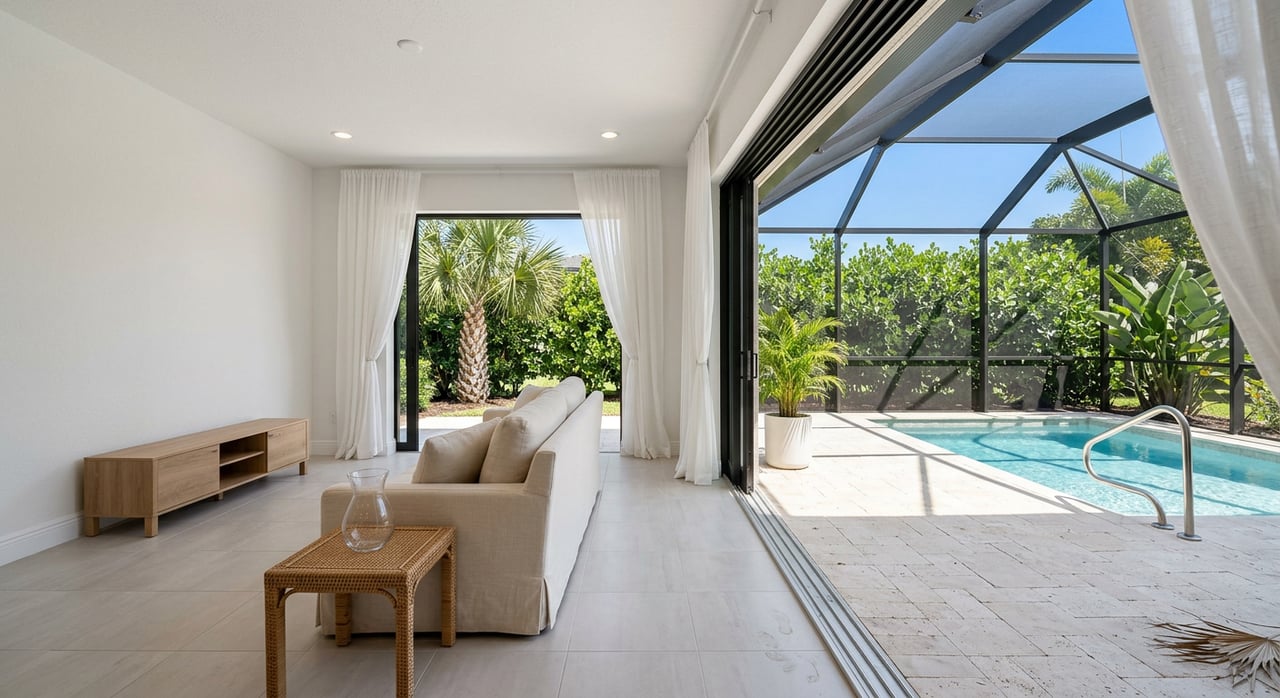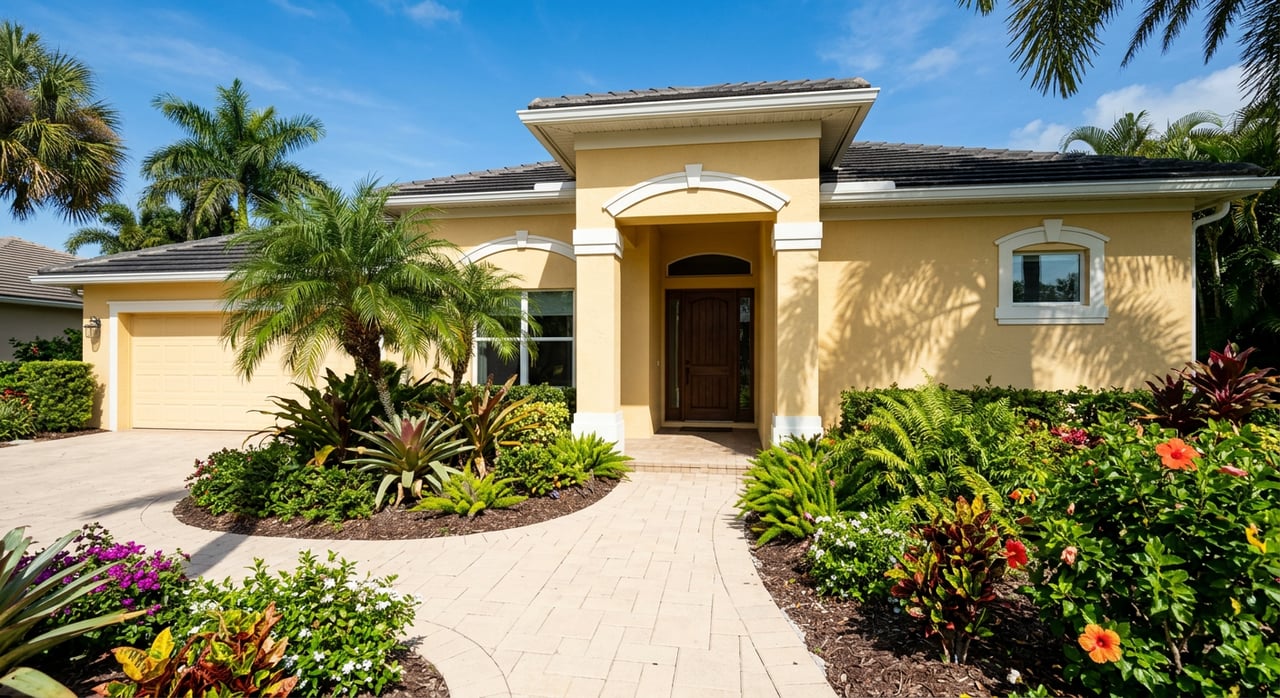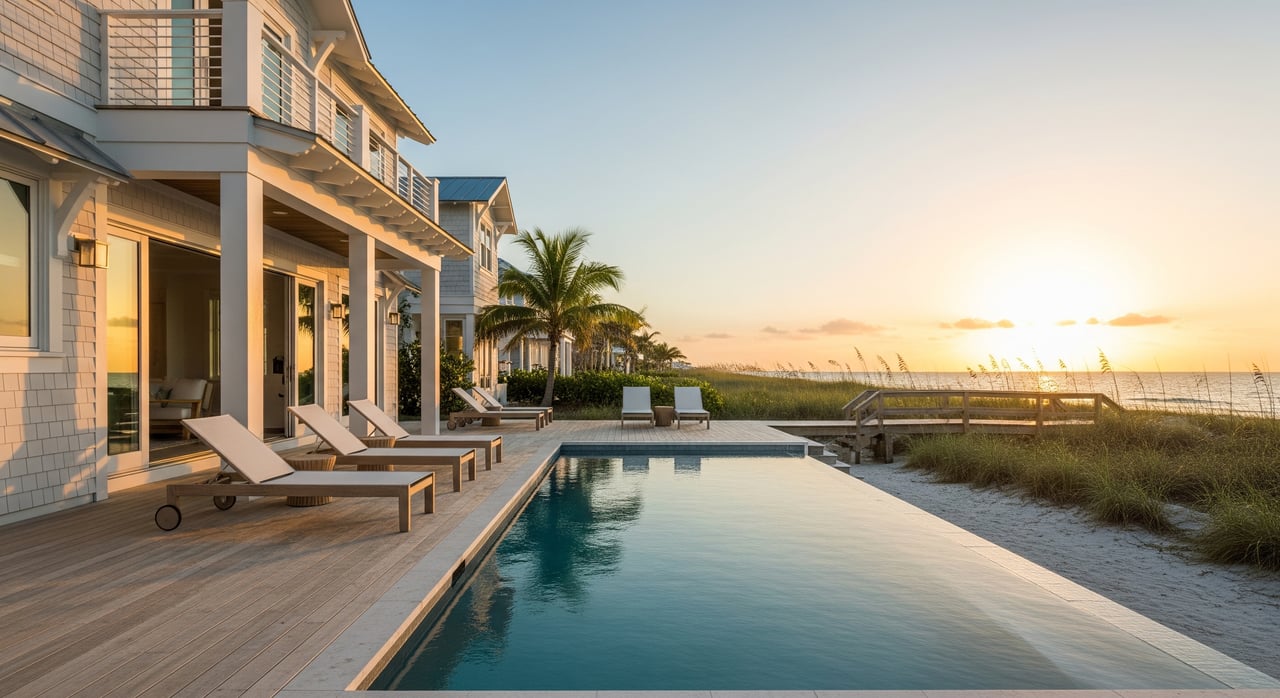
Dreaming about a beach escape you can return to again and again? Owning a second home in Anna Maria’s 34216 puts you close to quiet Gulf mornings, walkable streets, and the small‑town island vibe people fall in love with. At the same time, you want a clear picture of travel logistics, seasons, insurance, rentals, and the true costs of ownership before you commit. This guide walks you through what day‑to‑day life looks like and what to plan for so you can buy with confidence. Let’s dive in.
Anna Maria 34216 at a glance
Anna Maria Island is a narrow barrier island in Manatee County with three municipalities: the City of Anna Maria in the north, Holmes Beach in the middle, and Bradenton Beach to the south. Each city has its own character, services, and rules. Your experience with parking, short‑term rental permissions, and walkability depends on the specific jurisdiction and street.
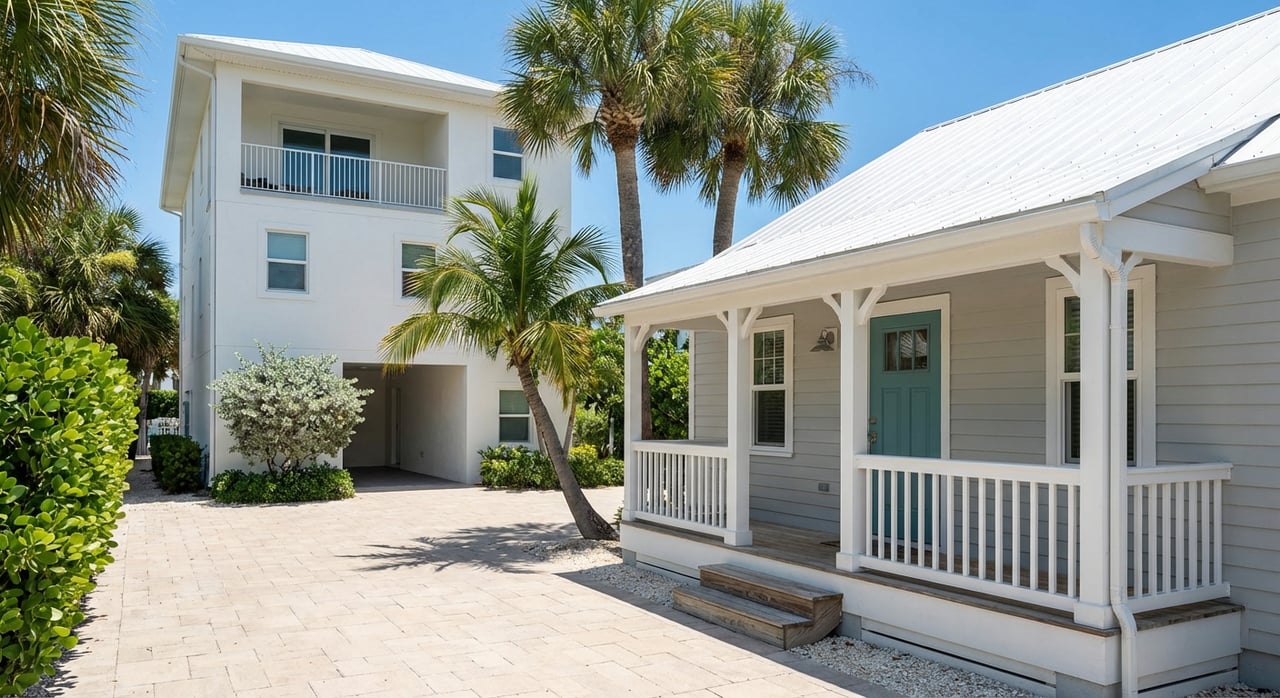
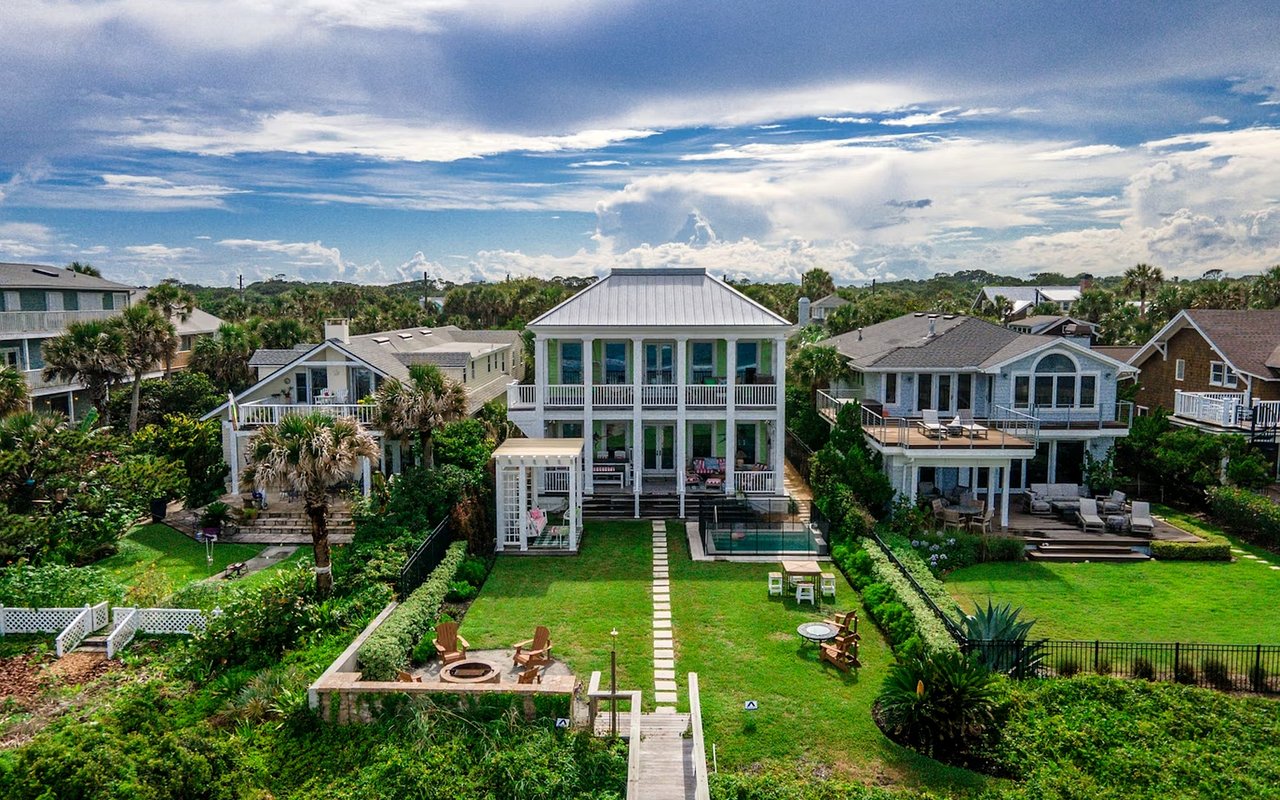
Property types range from classic coastal cottages and bungalows to gulf‑front condos and elevated new builds. Many older homes have been renovated or rebuilt over time, especially after storms and infrastructure updates.
Getting here and getting around
You can usually reach the island from Sarasota–Bradenton International Airport in about 25 to 40 minutes by car, depending on traffic. Check flights and ground options directly with the airport at the Sarasota–Bradenton International website. Tampa International is another frequent choice, with a drive of about 50 to 75 minutes depending on time of day and season; see Tampa International’s site for current routes.
High‑season traffic can slow bridge crossings and parking in commercial areas. Most owners rent a car or keep one on the mainland. If you can, time arrivals and departures to avoid peak weekend and holiday periods.
Day‑to‑day lifestyle
Many neighborhoods are walkable or bikeable to beaches, cafés, and shops. Groceries and basic supplies are available on the island, with big‑box options on the mainland. For healthcare, plan where you would go for urgent care or hospital services in Bradenton or Sarasota, and factor in traffic for bridge crossings.
Coastal homes need more frequent exterior care. Salt, sun, and humidity mean routine painting, HVAC checks, pest control, and deck or wood inspections are normal parts of ownership.
Seasons: how the island feels year‑round
- High season runs from roughly mid‑December through April. You will see more seasonal residents, busy restaurants, fuller marinas, and strong short‑term rental demand. Expect heavier traffic and longer waits at popular spots.
- Low season spans May through November. It is hotter and more humid, with regular afternoon rain chances. The island is quieter, and water activities pick up, though some days can be limited by weather or occasional red tide events.
Owning here means you can align visits with what you enjoy. If you love energy and events, target winter. If you prefer open beaches and easier parking, summer and early fall may be your style.
Taxes, insurance, and risk planning
Property taxes and exemptions
A second home in Florida does not receive the state homestead exemption or the homestead assessment cap. That can mean higher effective tax exposure over time than a Florida primary residence. For parcel‑specific valuations and millage details, review records with the Manatee County Property Appraiser.
Insurance essentials
Barrier‑island homes face higher hurricane, wind, and flood risk than inland properties. You will typically consider two separate coverages:
- Homeowners insurance that includes wind or hurricane coverage through private carriers. If private coverage is not available, Citizens Property Insurance Corporation may be an option with limits.
- Flood insurance through the National Flood Insurance Program or private flood markets. Lenders often require flood coverage if the home sits in a FEMA flood zone, and many coastal owners choose it even outside high‑risk zones.
Premiums are often higher near the coast. Get property‑specific quotes early in your search. Wind‑mitigation features like impact windows, hurricane straps, and fortified roofs can help with underwriting and may reduce premiums. For market and regulatory context, check the Florida Office of Insurance Regulation.
Flood zones and elevation
FEMA flood maps determine risk zones and may influence both insurance costs and rebuild requirements. Elevation relative to base flood elevation matters, and new construction often must be elevated above the BFE. Review your address on the FEMA Flood Map Service Center and request an elevation certificate if you do not have one.
Renting your second home
Short‑term rental rules vary by municipality and sometimes by HOA. Local ordinances can set minimum stays, maximum occupancy, required safety equipment, parking rules, and noise standards. Before you assume any rental rights, verify the current code for the City of Anna Maria, Holmes Beach, or Bradenton Beach, and review HOA documents where applicable.
If you plan to rent, you must register with the state and collect and remit applicable transient rental taxes. Learn about sales and tourist tax registration and filing at the Florida Department of Revenue.
Financing a second home vs an investment
Lenders evaluate second homes differently than primary residences or investment properties. You can expect tighter underwriting standards and often higher down payments than a primary home. If you intend frequent short‑term rentals, some lenders may classify the property as an investment, which typically means higher down payment and rate requirements. Talk with your lender early so the financing classification matches your plans.
Utilities and infrastructure
- Electric service is commonly provided by Florida Power & Light, though you should verify by address.
- Water and sewer connections vary. Some properties were historically on septic, and there have been ongoing upgrades and connections to sanitary sewer in areas of the island. Confirm the property’s setup and any planned public projects that could affect costs.
- Internet coverage is generally good, but speed and reliability can vary by provider and street. If you plan to work remotely or host guests, test service at the address.
Property management options
As an absentee owner, you can choose a full‑service vacation rental management model or a caretaker model.
- Full‑service managers handle marketing, bookings, check‑ins and check‑outs, cleaning, linen service, maintenance, restocking, and local emergencies. Industry norms often range from about 20 to 35 percent of gross rental revenue, depending on the company and service level. Setup fees, cleaning fees, and maintenance markups can apply.
- Caretaker services work well if you do not rent. Expect regular home checks, seasonal openings and closings, landscaping, pool service, and vendor coordination. Pricing varies by visit or retainer.
Always get multiple written quotes, ask for service guarantees and emergency response protocols, and read contracts for damage handling and payment timing.
Hurricane season preparedness
From late spring through fall, plan for potential storms. Many owners arrange a local contact or manager who can secure shutters and outdoor areas, move valuables, and check utilities. Keep policies current with clear coverage for code upgrades and ordinance or law, and maintain a simple checklist for supplies and post‑storm steps.
Due diligence checklist for buyers
Use this quick list to de‑risk your purchase:
- Visit in both high and low seasons to compare traffic, noise, and neighborhood feel.
- Verify the property’s municipal jurisdiction and review current short‑term rental, parking, and noise rules. Check HOA covenants early.
- Obtain homeowners, wind, and flood insurance quotes for the exact address before finalizing price.
- Request recent utility bills, maintenance records, roof age, HVAC service logs, elevation information, and seawall status if applicable.
- Confirm sewer versus septic and ask about any scheduled infrastructure projects or assessments.
- Get or order an elevation certificate and confirm the FEMA flood zone.
- If you plan to rent, interview multiple local managers and ask for realistic occupancy projections for both high and low seasons.
- Discuss financing classification with your lender so terms reflect your intended use.
- Set aside reserves for coastal maintenance and potential storm repairs based on the home’s age and condition.
Is a second home in Anna Maria right for you?
If you value walkable beaches, small‑scale island living, and seasonal energy, Anna Maria’s 34216 can be a great fit. You will need a practical plan for insurance, storm prep, parking, and the higher maintenance rhythm of coastal homes. With clear expectations and the right team, owning here can feel simple and rewarding.
When you are ready to talk through neighborhoods, rules, and true ownership costs, connect with the local team that lives this every day. Reach out to Your AMI Home Girls to get tailored guidance, local vendor introductions, and a step‑by‑step plan.
FAQs
How far are the airports from Anna Maria 34216?
- Sarasota–Bradenton International is typically 25 to 40 minutes, and Tampa International is about 50 to 75 minutes by car depending on traffic and season.
What insurance do I need for a second home on Anna Maria Island?
- Most owners carry homeowners with wind or hurricane coverage plus separate flood insurance, with premiums influenced by elevation, flood zone, and mitigation features.
Can I rent my Anna Maria second home short term?
- Possibly; rental rules differ by municipality and HOA, and you must register and collect applicable transient taxes with the state before hosting.
How do seasons affect rentals and lifestyle?
- Winter brings higher visitor demand, busier restaurants, and stronger occupancy, while summer to fall is quieter, hotter, and often better for personal use and lower rental demand.
What recurring costs should I budget for in 34216?
- Plan for property taxes, homeowners and wind coverage, flood insurance, utilities, HOA dues if applicable, property management, routine maintenance, and reserves for storm repairs.
Do I need a car on the island?
- Many neighborhoods are walkable, but most owners still use a car for errands, mainland shopping, healthcare visits, and airport travel, especially during peak season traffic.