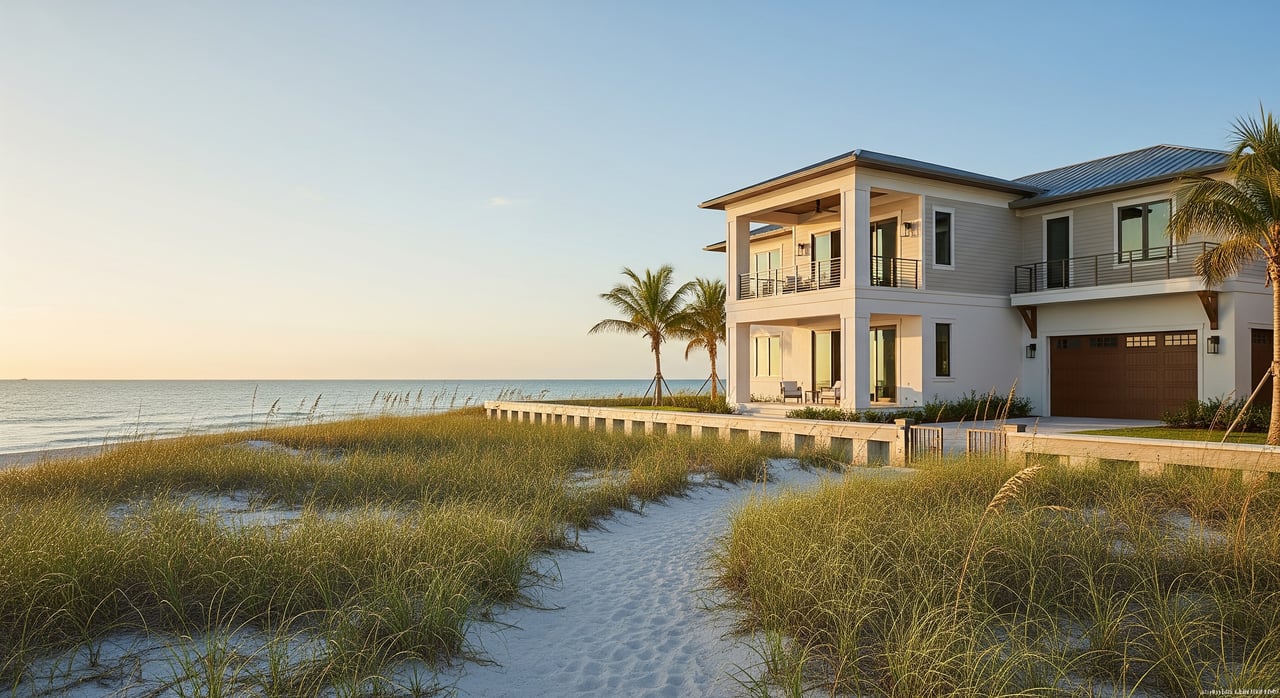
Is your Bradenton Beach insurance bill higher than it needs to be? If your home has hurricane-ready features, you may qualify for wind mitigation credits that lower the wind portion of your premium. On the island, where tropical systems are part of life, these credits can make a meaningful difference. In this guide, you’ll learn what counts, how to document it, what to expect from the inspection, and simple upgrades that often pay off. Let’s dive in.
What wind mitigation credits are
Wind mitigation credits are discounts your insurer applies when your home has features that reduce wind damage risk. Credits only affect the wind or hurricane part of your homeowners policy. They do not apply to flood insurance.
Why they matter on Bradenton Beach
Bradenton Beach sits on the Gulf and experiences regular tropical weather. That coastal exposure means insurers look closely at wind risk. The more you can document strong roof systems, secure openings, and code-compliant connections, the more likely you are to lower your wind premium and improve insurability.
What qualifies for credits
Insurers in Florida typically rely on the state’s wind mitigation inspection form, commonly called the OIR-B1-1802. An inspector documents specific features, and credits are cumulative. Here are the big ones:
Roof covering
Newer roof coverings installed to current code can qualify. Asphalt shingles, tile, or metal systems rated and installed to modern standards generally perform better in high winds. Keep proof of roof age, product type, and installation.
Roof deck attachment
Inspectors look at the size and spacing of nails attaching your roof deck to rafters or trusses. Tighter nailing patterns and correct nail type create a stronger deck and can earn credits.
Roof-to-wall connections
Hurricane straps or metal clips that tie roof structure to the walls are among the most impactful features. Inspectors will document the type and visibility of these connectors.
Opening protection
Impact-rated windows and doors or approved shutters for all openings often deliver one of the largest single credits. Documentation from the manufacturer and permits help verify eligibility.
Secondary water resistance
A peel-and-stick underlayment beneath the roof covering helps limit interior water damage if shingles or panels fail. If present and properly documented, this can earn an additional credit.
Roof shape and other reinforcements
Simple hip roofs typically perform better in wind than gable roofs and may be credited. Gable end bracing, continuous load paths, and other structural reinforcements also help when documented.
How the inspection works
The wind mitigation inspection is straightforward, and it’s your key to unlocking credits.
Step 1: Talk to your insurer
Before you schedule anything, ask your insurer which credits they offer, what documentation they accept, and which inspector credentials they require.
Step 2: Hire a qualified inspector
In Florida, the OIR-B1-1802 form can be completed by licensed contractors, professional engineers, architects, building officials, and often licensed home inspectors where accepted. Confirm acceptance with your insurer.
Step 3: Gather documentation
Collect permits, final inspection approvals for roof or window work, manufacturer certifications for impact-rated products, and any relevant warranties. The inspector will take photos of features and labels.
Step 4: Submit and confirm timing
Send the completed form and supporting documents to your insurer. Ask how the credit will affect your premium and when the change will take effect.
Permits and local proof in Bradenton Beach
Material structural work typically requires permits and final inspections from either the City of Bradenton Beach or Manatee County Building Services, depending on jurisdiction. Roof replacements, impact window or shutter installations, and the addition of hurricane straps commonly need permits. Insurers often require proof that the work was permitted and passed final inspection to award credits after retrofits.
For coastal properties, corrosion-resistant fasteners and connectors are important. Salt air accelerates corrosion, so stainless or hot-dipped galvanized hardware is commonly required by code in coastal zones. Having documentation of materials and final approvals can support your credits.
How much can you save?
Savings vary by insurer, policy, home value, and the combination of features you can document. In Florida coastal areas, homeowners often see reductions ranging from modest single-digit percentages to larger double-digit savings when multiple qualifying features are present. Your results depend on your home’s features and your insurer’s formula.
Cost vs. benefit
Some improvements, like adding hurricane straps where accessible or improving roof deck nailing during a reroof, can be relatively affordable and still yield meaningful credits. Bigger upgrades, such as impact windows or a full roof replacement, cost more but can deliver safety benefits, potential resale value, and stronger insurance outcomes. If a credit is your main motivator, ask your insurer for an estimate of the premium impact before committing to major work.
Planning retrofits that pay off
- Time upgrades with a roof project. It’s easier and often cheaper to add secondary water resistance or improve deck attachment during a reroof.
- Choose coastal-ready materials. Use corrosion-resistant fasteners and connectors appropriate for salt-air environments.
- Get multiple licensed quotes. Compare scope, code compliance, warranty terms, and experience with coastal projects.
- Keep your records clean. Save permits, final inspection sign-offs, product approvals, and the inspector’s photos.
Buying or selling? Use credits smartly
A current wind mitigation inspection can be a selling point. Sellers can share the inspection and permit history to help buyers estimate insurance costs. Buyers can order a mitigation inspection during the option or due diligence period to understand likely credits. Lenders generally focus on coverage, not the inspection itself, but strong mitigation can expand your insurance options in coastal Florida.
Wind vs. flood insurance
Wind mitigation credits only affect the wind or hurricane portion of your homeowners policy. Flood risk is handled separately through NFIP or private flood policies. Flood zones, elevation certificates, and flood mitigation measures follow a different process. Many Bradenton Beach homes carry both types of coverage.
Quick homeowner checklist
- Review your current homeowners policy and ask your insurer which wind mitigation credits they offer and what documents they need.
- Locate roof age and permit records to verify construction dates and upgrades.
- Hire a qualified pro to complete the Florida OIR-B1-1802 wind mitigation form and take photos.
- If retrofits are needed, pull required permits, get at least two licensed contractor quotes, and plan for final inspections.
- Submit the inspection and permit documentation to your insurer and confirm when premium changes apply.
- Keep everything on file and share it in a future sale to demonstrate upgrades.
Local tips for coastal homes
- Focus on roof-to-wall connections, opening protection, and deck attachment. These often deliver the biggest impact on risk and credits.
- Verify jurisdiction early. Confirm whether the City of Bradenton Beach or Manatee County will permit and inspect your project.
- Choose experienced coastal contractors. Look for licensing, local references, and familiarity with coastal code requirements.
Get personal guidance
Every home is different, and insurers update guidelines over time. If you want help prioritizing upgrades for insurance, resale value, and day-to-day peace of mind, reach out for local insight and trusted vendor referrals. Get your free home valuation or schedule a consultation with Unknown Company.
FAQs
Who can complete a wind mitigation inspection in Florida?
- A licensed contractor, licensed home inspector where accepted, professional engineer, architect, or building official. Verify with your insurer.
How long is a wind mitigation report valid for insurers?
- There is no universal expiration. Insurers set their own timelines and may require updates if roof age changes or after major work.
Do I need permits for wind mitigation retrofits in Bradenton Beach?
- Yes. Material work like roof replacement, impact window or shutter installation, and adding straps typically requires permits and final inspections.
Do wind mitigation credits apply to flood insurance policies?
- No. Credits affect the wind or hurricane portion of homeowners policies, not NFIP or private flood insurance.
Will wind mitigation credits offset hurricane-related premium increases?
- Credits reduce the wind-risk portion of your premium, but they cannot eliminate broader market rate changes. Actual savings depend on your insurer and features documented.