By Your AMI Home Girls
The home inspection is one of the most important steps in buying a property on Anna Maria Island — and on a barrier island with coastal construction, flood zone requirements, and salt-air exposure, it carries even more weight than a typical mainland purchase. We walk every client through this process so they know exactly what to expect and how to use the inspection to their advantage. Done right, it protects your investment and gives you the confidence to move forward.
Key Takeaways
- Coastal homes on Anna Maria Island require inspectors with specific experience in barrier island properties.
- Wind mitigation and 4-point inspections are often required for insurance — plan for these alongside your general inspection.
- The inspection period is your primary window to negotiate repairs or adjust your offer.
- Insurance binding on Anna Maria Island is closely tied to inspection findings — surprises late in the process can affect your closing.
Why the Inspection Is Different Here
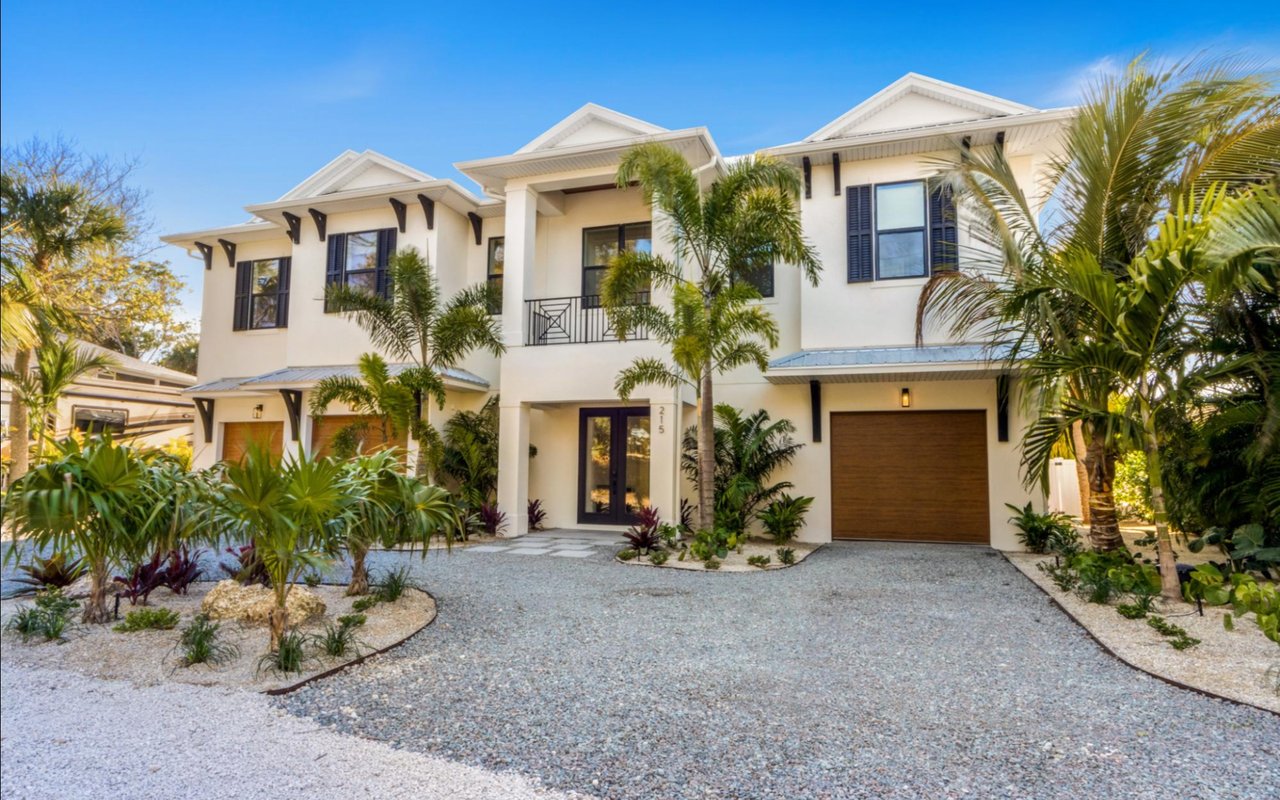
On Anna Maria Island, a home inspection isn't just about checking boxes. Coastal properties face conditions that simply don't apply inland — salt air corrosion, moisture intrusion, elevated foundation requirements, and hurricane exposure all factor into how a home is evaluated. We always recommend hiring an inspector with direct experience on barrier island properties, not a general residential inspector who happens to be available.
What a Coastal-Experienced Inspector Will Evaluate
- Foundation elevation and piling integrity
- Roof condition, material type, and hurricane resistance
- Signs of moisture intrusion or mold in coastal-prone areas
- Hurricane-rated windows and doors
- HVAC systems, plumbing, electrical, and appliances
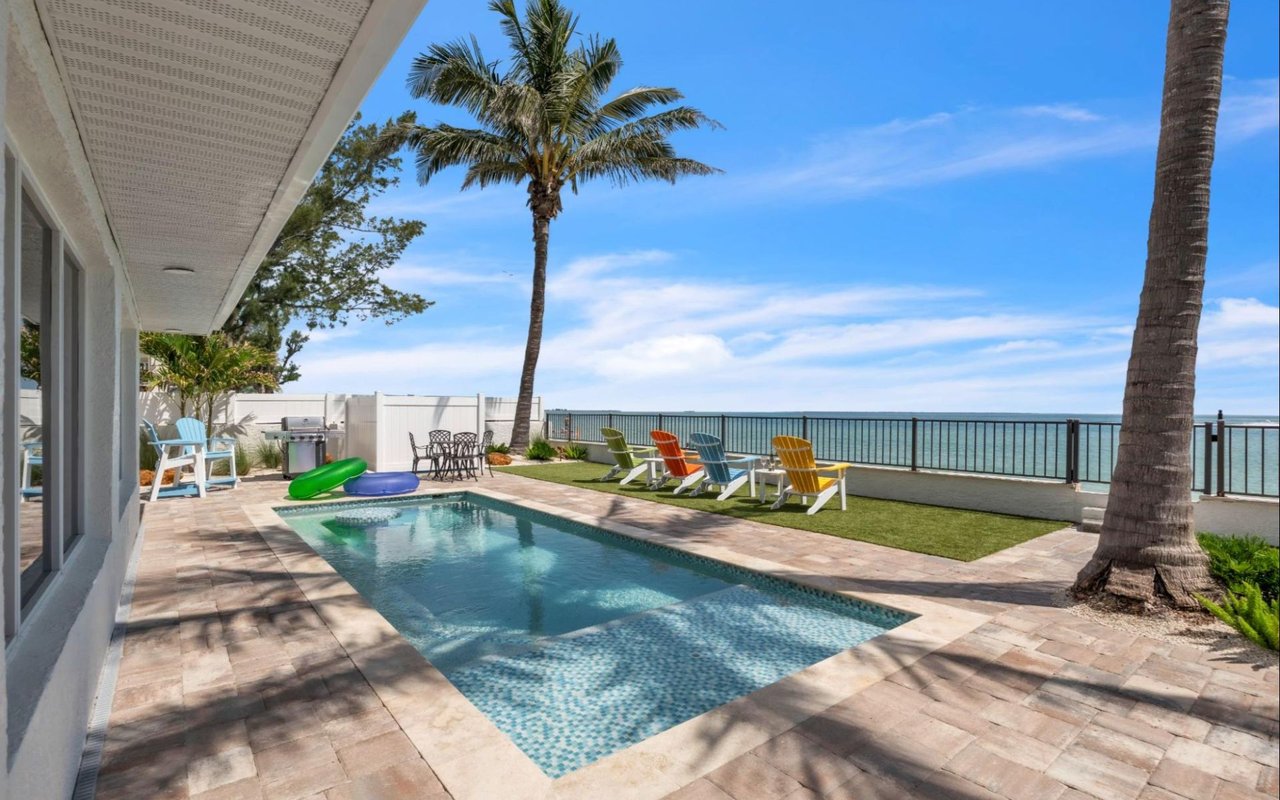
- Pool and dock condition where applicable
The right inspector will know exactly what to look for on an island home — and their report will be far more useful than a standard checklist.
The 4-Point and Wind Mitigation Reports
Beyond the general inspection, most buyers on Anna Maria Island will need two additional reports: a 4-point inspection and a wind mitigation report. These aren't optional extras — insurers frequently require them before they'll bind a policy on a coastal property.
What Each Report Covers
- 4-Point Inspection: Evaluates the four major systems — roof, electrical, plumbing, and HVAC — specifically for insurance underwriting purposes
- Wind Mitigation Report: Documents hurricane-resistant features of the home that may reduce your windstorm insurance premium
- Both reports are typically ordered at the same time as the general inspection to keep the process efficient
We make sure our buyers understand the insurance implications of each report before they get to the closing table — not after.
How to Use the Inspection Period Strategically
In Florida, the inspection period is your window to review the property's condition and decide how to proceed. On Anna Maria Island, we treat this period as one of the most strategic parts of the transaction.
Your Options After the Inspection
- Request repairs from the seller for material defects found
- Negotiate a price reduction or closing credit in lieu of repairs
- Walk away from the contract if findings are significant enough
- Accept the property as-is with a full picture of what you're taking on
Older island homes in particular may show deferred maintenance or aging systems that are entirely manageable — but only if you know about them going in. We help clients interpret findings clearly so they can make smart decisions rather than emotional ones.
Insurance and the Inspection — Why Timing Matters
This is something buyers on Anna Maria Island learn quickly: insurance and inspections are closely connected, and timing is everything. Binding insurance on a barrier island can be complicated, and inspection findings that raise red flags — an aging roof, outdated electrical, or flood zone compliance issues — can affect whether a lender will approve your loan.
Steps to Stay Ahead of Insurance Issues
- Start gathering insurance quotes early in the process, not after the inspection
- Ask your inspector about anything that could affect insurability
- If the seller has an existing flood insurance policy, ask about assuming it — this can save time and money
- Request the property's flood elevation certificate before going under contract
We've seen deals run smoothly and deals fall apart at this stage — the difference almost always comes down to preparation.
FAQs
How long does a home inspection take on Anna Maria Island?
Most inspections take two to four hours depending on the size and condition of the home. Waterfront or multi-story properties often take longer, and the 4-point and wind mitigation reports add additional time if done the same day.
Can I attend the inspection?
Absolutely, and we encourage it. Being present lets you hear findings directly from the inspector and ask questions in real time. It's one of the best ways to truly understand the home you're buying.
What happens if the inspection reveals major issues?
It depends on the findings and your priorities. We help you evaluate whether to negotiate repairs, request a credit, or in some cases, walk away. No outcome is off the table during the inspection period — that's exactly what it's there for.
Contact Your AMI Home Girls Today
Navigating a home inspection on Anna Maria Island is much smoother when you have the right team in your corner. We’re April Green and Brittnee Willoughby, and we've guided buyers through this process many times. We know how to make sure nothing catches you off guard.
When you're ready to take the next step toward owning on Anna Maria Island, reach out to us at Your AMI Home Girls — we're here to make the process clear, confident, and as stress-free as possible.
When you're ready to take the next step toward owning on Anna Maria Island, reach out to us at Your AMI Home Girls — we're here to make the process clear, confident, and as stress-free as possible.