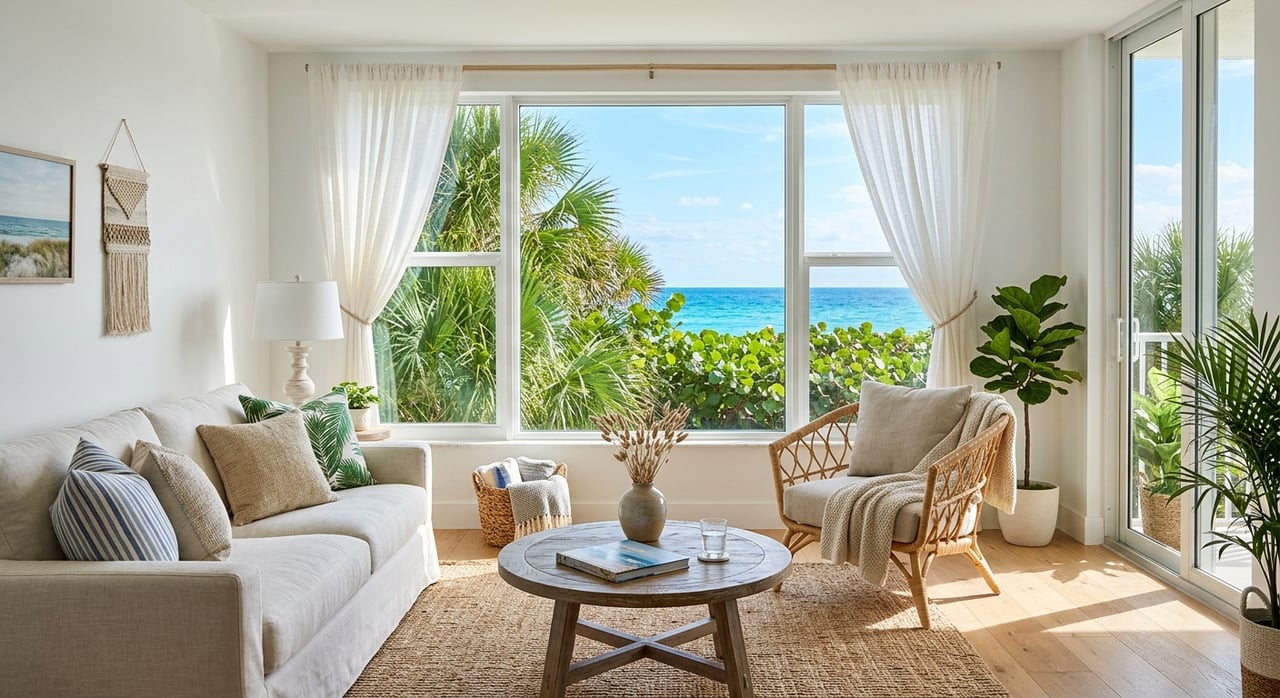
Selling in Holmes Beach can feel different from selling anywhere else. On Anna Maria Island, seasonality, waterfront features, and rental rules all shape value and timing. You want top dollar and a smooth closing without surprises. This guide lays out a clear, local-first listing strategy for 34217 that helps you prepare, price, market, and negotiate with confidence. Let’s dive in.
Know the Holmes Beach market
Seasonality matters. Buyer interest in coastal Florida often peaks in fall, winter, and early spring when seasonal visitors are here in person. Plan your launch with this rhythm in mind so you maximize showings in the first two weeks on market.
Know your likely buyers. Many Holmes Beach buyers are second-home seekers, vacation-rental investors, retirees, and local move-up or downsizing buyers. Tailor your pricing and marketing to speak to lifestyle seekers and data-driven investors.
Understand what drives value here. Short-term rental potential, waterfront position, boat access, and views can shift pricing more than square footage alone. Insurance and climate risk also impact affordability and buyer qualification, so accurate flood and wind coverage details help keep deals together.
Use very recent comps. Small island markets move quickly. Rely on the last 3 to 6 months of comparable sales and pendings, with careful adjustments for water position, condition, and rental capability. Check local sources like the Manatee County Property Appraiser, the City of Holmes Beach for zoning and STR rules, and the FEMA Flood Map Service Center for flood zones.
Prep that drives first impressions
Exterior and systems
- Refresh curb appeal: landscaping, pressure-wash, visible house numbers, safe walkways.
- Tackle coastal wear: touch up paint, remove rust, and address wood rot.
- Service major systems: roof, HVAC, and windows. Save service records to share with buyers.
Waterfront features
- Document seawall and dock condition, permits, and any recent repairs.
- Gather vendor reports or engineering notes if you have them. Buyers will ask.
- Clarify maintenance responsibilities and any deeded slip or access details.
Interiors and staging
- Declutter, deep clean, and use neutral paint where needed.
- Maximize light and frame views of the Gulf, bay, or canals.
- Consider small kitchen and bath updates that photograph well.
Strategic pre-list steps
- Consider a pre-list inspection to identify issues early and reduce renegotiation.
- Order a broker price opinion or appraisal if you want a second data point.
- Prepare utility bills, tax history, insurance claim history, and any lease documents.
- If applicable, assemble a one-year rental history for investors.
- Obtain an elevation certificate if flood risk is a question for your property.
Gather the right documents
For all homes
- Florida Seller’s Property Disclosure, plus known defects, past water intrusion, and repair history.
- Lead-based paint disclosure for homes built before 1978.
- Insurance details for flood and wind coverage, with premium history if available.
For condos or HOAs
- Association documents, reserve and assessment history, and any transfer requirements.
- Estoppel documentation and master insurance policy details.
For rental or STR properties
- Current lease terms and compliance with local short-term rental rules.
- Rental history: occupancy, nightly rates, fees, and tax remittances if applicable.
- Clarify any restrictions that could affect buyer plans or valuation.
Flood and permits
- Elevation certificate and flood zone information.
- Permit history for renovations, seawalls, and dock work. Unpermitted work can slow closing.
Price to maximize demand
Use a fresh CMA. Anchor your price to the most recent Anna Maria Island sales and pendings, with careful adjustments for water position, condition, and rental capability. Do not rely on older or off-island comps.
Use price bands. Position your list price to capture common search brackets while respecting the uniqueness of waterfront and view properties. Slightly under a round number can increase visibility without underpricing.
Win the first two weeks. The opening period is when most qualified buyers see and act. A competitive price invites strong activity. Overpricing can add days on market and limit leverage.
Align price to your net. Build a seller net sheet that includes taxes, title insurance, prorations, and HOA fees. Set your floor based on your goals, not just list-to-sale averages.
For investors, speak their language. Provide rental metrics, seasonal occupancy assumptions, and realistic insurance costs. Expect questions about income documentation and lending requirements.
Marketing that sells island life
Must-have assets
- Professional photography that highlights light and views, plus twilight exteriors.
- Drone photos and aerial video to show proximity to water and lot layout.
- Measured floor plans and accurate square footage for clarity.
- 3D tours or video walk-throughs for out-of-area buyers.
- A simple property website or digital brochure with key facts and documents.
Channels that work
- MLS syndication with complete data and standout visuals.
- Targeted social media ads that reach seasonal markets in the Midwest and Northeast during cooler months.
- Email your listing to local agents and qualified buyer databases.
- Local print flyers where island visitors and residents will see them.
Showings and safety
- Secure valuables and remove personal information.
- Offer flexible showing times with clear parking guidance.
- Use smart lock or lockbox protocols that protect your home and privacy.
If tenant occupied or STR
- Set clear showing windows that respect guests and lease terms.
- Provide notice in line with the lease and local rules.
- Share a simple house guide for agents to reduce wear on the property.
Legal and disclosures you cannot skip
- Complete the Florida Seller’s Property Disclosure fully and honestly.
- Provide lead-based paint disclosures if applicable.
- Disclose flood zone, past flood or hurricane damage, and known insurance claims.
- Share HOA or condo documents, estoppel, and any special assessments.
- Confirm permits for seawalls, docks, and major renovations. Provide proof where possible.
- Be clear on rental restrictions, current lease terms, and STR permits.
Insurance matters. Flood insurance and windstorm coverage are significant costs. Buyers will ask for current premiums and replacement cost estimates, so have those details ready or connect them with a knowledgeable local insurance contact.
Evaluate offers like a pro
Price is only one factor. Compare financing types, contingencies, earnest money, and closing timelines. Cash or strong conventional offers with appraisal gap language may provide more certainty, especially when comps are thin.
Plan for inspections. A pre-list inspection can streamline negotiations. Decide in advance which repairs you will complete and which you will credit.
Mind the timeline. If you need post-closing occupancy or a rent-back, negotiate it early. Balance convenience with risk and cost.
Handling multiple offers. Review net sheets side by side, weigh contingencies, and consider requesting best-and-final terms. Keep communications fair and consistent.
Timeline and closing checklist
Typical cadence in 34217:
- Pre-list prep: 1 to 6 weeks, depending on repairs and staging.
- Marketing window: first 14 to 21 days are critical for showings and offers.
- Contract to close: about 30 to 45 days for financed offers. Cash can be faster.
- Condo or HOA transfers: allow 10 to 30 days for association documents and estoppel.
Steps to speed things up:
- Order title work early and share disclosures up front.
- Request association docs early and make them accessible to buyers.
- Provide utility history, insurance details, and permit records with your listing.
- Line up contractors and estimates before you go live.
Track the right metrics
- Days on Market to confirm pricing traction.
- List-to-sale price ratio to measure accuracy.
- Price per square foot for similar water position properties.
- Absorption rate to gauge market tightness.
- Showings per week and feedback to refine marketing.
- Appraisal shortfalls and appraisal-to-list ratios to guide negotiation strategy.
- For STRs: ADR, occupancy, and annual gross rental income.
Partner with true local specialists
Selling on Anna Maria Island is about more than a sign and a listing post. It is about knowing which features command a premium, how seasonality impacts demand, and how to navigate flood, wind, and rental rule questions without derailing a deal. With a two-generation service model and on-island resources, you get responsive, boutique attention supported by real operational depth.
Ready to build your custom 34217 listing plan? Get your free home valuation or schedule a consultation with Your AMI Home Girls.
FAQs
How should I price my Holmes Beach home?
- Use a CMA of very recent island sales and pendings, adjust for water position, condition, and rental capability, and time your launch to seasonal demand.
Do I need an elevation certificate to sell in 34217?
- It is not always required, but having one helps buyers estimate flood insurance costs and can speed up underwriting and negotiations.
Will vacation rental income boost my sale price?
- Potentially, if short-term rentals are permitted and you can document occupancy, rates, and compliance with local rules and tax remittances.
What should I disclose about flood or hurricane damage?
- Disclose known past damage, repairs, permits, and any related insurance claims, plus your property’s flood zone and current insurance details.
Is it better to repair or sell as is in Holmes Beach?
- Cosmetic and safety repairs usually pay off; larger structural items depend on cost and market conditions. A pre-list inspection can guide your decision.