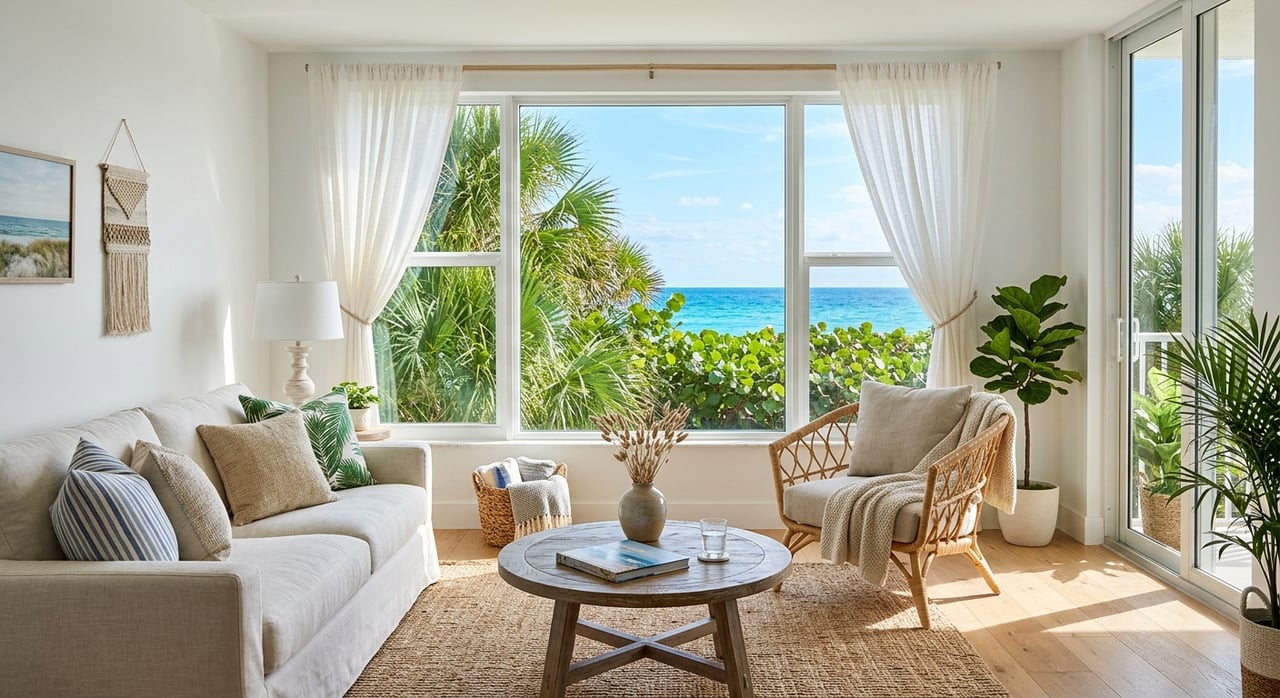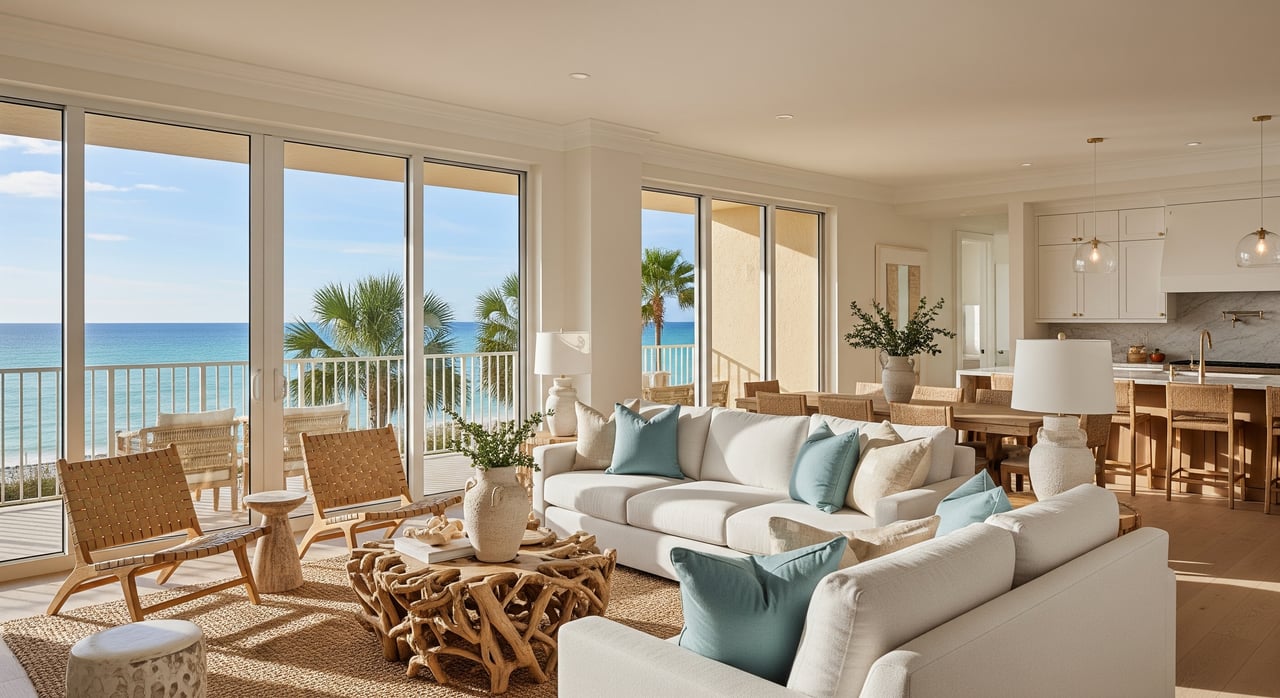
Ever see a Bradenton Beach condo listed as “turnkey furnished” and wonder what you’ll actually get when you arrive with your suitcase? You are not alone. Many out-of-state buyers love the convenience, but the details can be murky. In this guide, you’ll learn what “turnkey” really means on Anna Maria Island, what typically conveys, how it affects financing and insurance, and the contract steps that protect you. Let’s dive in.
What “turnkey furnished” means locally
“Turnkey furnished” signals a place that is ready for you or your guests to use right away without major shopping or setup. In Bradenton Beach, the phrase often targets vacation-rental buyers and snowbirds who want a hassle-free landing. There is no universal legal definition, so the listing details and your purchase contract control what is actually included. Expect variation by property and seller.
A trustworthy turnkey listing spells out inclusions in writing. If the listing is vague, ask for a written inventory and attach it to your contract. That one step prevents most misunderstandings at closing.
Commonly included items
- Major furniture such as beds, sofas, dining table and chairs.
- Kitchen appliances like a stove, refrigerator, microwave and dishwasher. Built-ins are typically treated as part of the real estate, while portable items should be listed to convey.
- Basic kitchenware including pots, pans, dishes and silverware. Often these are starter sets.
- Linens and towels, especially in rental-oriented condos.
- Televisions and basic electronics. These may or may not be included unless listed.
- Patio or porch furniture and sometimes beach gear like chairs and umbrellas.
- Soft goods and decor such as lamps, rugs and wall art only if specified in writing.
Utilities and consumables are not furnishings. Sellers sometimes leave simple cleaning supplies or starter items as a courtesy, but do not rely on that.
Often excluded or ambiguous
- Personal belongings like photos and documents.
- Seller accounts and passwords for booking platforms. These require explicit transfer language and sometimes third-party consent.
- High-value artwork or collectibles unless named in the inventory.
- Boats, trailers, lifts and some dock accessories. Whether they convey depends on how they are attached and what the contract says.
Fixtures vs personal property
Whether an item automatically stays with the home depends on whether it is a fixture or personal property. Local practice looks at how the item is attached, whether it is adapted to the property and what the parties intend. In simple terms, never assume. If something matters to you, put it in writing.
- Identify important items by make, model and serial number.
- Label by room when possible to simplify your walk-through.
- For anything not physically attached, include a separate bill of sale in your closing package.
Financing and appraisal realities
Most lenders and appraisers focus on the real estate itself. The retail value of furniture is rarely counted in the appraisal for the mortgage. If you are paying a premium for furnishings, your lender may require you to split the purchase price between real property and personal property. That allocation affects loan-to-value ratios and can reduce the financed amount.
What to do:
- Talk to your lender early about how they treat included furnishings.
- Be prepared to allocate a portion of the price to a separate bill of sale for personal property.
- If your lender will not finance furnishings, plan for additional cash or adjust your offer accordingly.
Taxes, associations and rentals
Local property taxes are assessed on real property. The transfer of personal property usually does not change the assessed real estate value. If you have questions about assessments, contact the Manatee County Property Appraiser.
Many Bradenton Beach condos and cottages are governed by association rules that shape what a “turnkey rental” really delivers. Associations often require an estoppel certificate, disclosure of rental rules and proof of insurance. Some set minimum rental periods, outline safety standards and require registration. If you expect rental income, review the governing documents and confirm that your intended use is permitted before you rely on projections.
If short-term renting is part of your plan, confirm local registration, licensing and tax remittance requirements. City rules and building codes can affect occupancy, turnover procedures and what furnishings or safety features are required.
Insurance and flood considerations
Bradenton Beach is coastal and subject to flood and hurricane risk. As a buyer, you should:
- Confirm the property’s flood zone using the latest maps and understand whether flood insurance is required by your lender.
- Price out coverage for both the structure and contents. Furnishings left in a rental require contents coverage and liability protection.
- Clarify when risk transfers. Typically, you are responsible for insuring contents once you take ownership.
- Verify the presence and condition of storm protections like hurricane shutters or impact windows, and make sure they are included in the inventory.
Protect yourself in the contract
Details win in turnkey deals. The strongest protection is a clear inventory and a few targeted clauses that keep everyone honest and aligned.
Due diligence before you offer
- Request a detailed inventory of all included items. Organize by room, and include photos and serial numbers for high-value pieces.
- Clarify what is a fixture and what is personal property.
- Review condo or HOA documents, rental rules and recent rental history if you plan to rent.
- Collect maintenance records and warranties for appliances, HVAC and water heater.
- Ask for an estoppel certificate and disclosure of any pending special assessments.
- Verify compliance with local vacation-rental registration, taxes and business licenses if the property has been used as a short-term rental.
Clauses that add real protection
- Inventory exhibit. Attach the signed inventory list to the purchase contract with clear inclusions and exclusions.
- Bill of sale. Execute a separate bill of sale for furnishings at closing with an agreed value for personal property.
- Holdback or escrow. Agree to a small holdback until you verify the inventory after closing to cover missing or damaged items.
- Inspection contingency. Allow inspections of appliances, electrical and HVAC, and allow termination or credits if the inventory differs in a material way.
- Condition warranty. Even in an as-is sale, you can request a working-condition warranty for major systems and appliances. Define whether any soft goods are covered.
- Rental account transfer. If applicable, require documented transfer or written consent for any booking accounts and clarify how existing reservations and funds are handled.
- Utilities and services. Require transfer or cancellation of vendor accounts and delivery of manuals, keys and remotes.
- Delivery timing. Specify when excluded items must be removed and when included items must remain, plus remedies if the seller removes listed items.
Walk-through and closing checklist
- Conduct a photo-confirmed walk-through verifying that the listed items remain and match the inventory.
- Record serial and model numbers for appliances, TVs and other high-value items.
- Collect keys, gate codes, garage remotes and access to any smart locks or thermostats.
- If waterfront features are involved, confirm the status and conveyance of docks or lifts.
Pricing and negotiation tips
- Ask the seller to itemize the value of furnishings if they drive the list price. You can then negotiate the real property value accordingly.
- If your lender will not finance furnishings, consider a separate cash payment paired with a bill of sale, or adjust your offer to match what is financeable.
- Verify rental income with documentation such as rent rolls or platform statements rather than relying on marketing descriptions.
Local context you should know
Bradenton Beach offers a mix of condos, quaint cottages and waterfront homes, and each category has its own turnkey norms. Condos often provide fully furnished vacation setups. Cottages may have more personalized decor that needs clearer inventory detail.
Seasonal demand is strong. Many buyers are winter residents who prefer immediate usability, so sellers often price turnkey packages at a premium. Lenders may not credit the full retail value of furniture, which can affect your loan-to-value ratio. Be ready with a price allocation that keeps financing on track.
Waterfront features can be significant. If a dock or boat lift is part of your dream, clarify ownership, permits and whether it conveys. Also confirm storm-prep items such as shutters or impact glass and whether warranties will transfer.
What a smooth turnkey looks like
A well-executed turnkey purchase is simple on move-in day because the work happened upfront. You reviewed HOA rules and flood coverage, confirmed what conveys, matched your loan to the real estate value and used a bill of sale for furnishings. At the walk-through, your inventory checklist lines up with what you see, right down to the patio chairs and TV remotes. You get the keys, codes and manuals, and you can enjoy the beach or welcome guests without a supply run.
If you want that kind of experience, lean on a local team that does this every season. With deep Anna Maria Island expertise and access to vacation-rental and property-management resources, we can guide you from offer to first sunset on the Gulf with confidence.
Ready to explore Bradenton Beach turnkey options or clarify a current listing’s inclusions? Reach out to the mother-daughter team at Your AMI Home Girls for local guidance and a smooth plan from contract to beach chairs.
FAQs
What does “turnkey furnished” include in Bradenton Beach?
- It usually means move-in or rental-ready with major furniture, essential kitchenware and often linens, but specifics vary by listing and must be confirmed in a written inventory.
How do lenders treat furniture in a turnkey sale?
- Most lenders do not finance the retail value of furnishings, so you may need to allocate price between real property and personal property and use a separate bill of sale.
Are HOA or condo rules a factor for turnkey rentals?
- Yes. Many associations have rental rules, registration steps and insurance requirements that affect how quickly and how often you can rent.
Do property taxes change because furnishings convey?
- Local property taxes are based on the real estate. Transferred personal property typically does not change the assessed value of the real property.
What insurance do I need for a furnished rental?
- You should evaluate coverage for the structure, contents and liability, and understand flood insurance requirements based on the property’s flood zone.
How can I make sure the furnishings stay through closing?
- Attach a signed inventory to the contract, use a bill of sale, include a holdback for missing items and complete a photo-documented walk-through before closing.