Wondering when to list your Bradenton Beach home so it sells faster and for more? Timing is a real factor on Anna Maria Island, and a smart plan can put your property in front of the right buyers at the right moment. You want a smooth sale with solid offers, not weeks of quiet showings. In this guide, you will learn how our island’s seasonality works, the best listing window, what to do if you need to sell off season, and a simple prep timeline that keeps you on track. Let’s dive in.
Bradenton Beach selling seasons
Bradenton Beach follows a clear coastal pattern. Buyer traffic typically rises from November through April, when seasonal visitors and out-of-state shoppers arrive for winter. Summer months are quieter, with more local buyers and fewer showings due to heat and afternoon storms.
Hurricane season runs from June 1 to November 30, which overlaps part of our active period. Real-time weather can temporarily slow activity if a storm enters the forecast. If you plan to list during this window, keep an eye on official guidance from the National Hurricane Center and NOAA.
Why timing matters
- More buyers in the market can mean shorter days on market and stronger negotiating power.
- Inventory tends to rise during peak season, which increases competition.
- Listing early in the peak window can help you stand out before the market fills with similar homes.
The sweet spot to list
For most sellers, the best time to list in Bradenton Beach is late October through early March. This timing captures winter buyer traffic and gives you a head start before late spring inventory builds.
Here is a simple month-by-month view:
- Late October to December: Strong window to launch and ride early demand. Holiday visitors often scout the island.
- January to February: Peak attention from retirees, second-home buyers, and investors. Expect more weekend showings.
- March to early April: Still active, though more listings may compete for attention.
- May to September: Quieter, but not impossible. Success often depends on sharp pricing and digital marketing that targets year-round residents.
A practical prep timeline
Plan 6 to 12 weeks of preparation if you aim for winter. If you need to move faster, you can compress this to 1 to 4 weeks, but expect fewer in-person showings and rely more on pricing and online reach.
- Weeks 1 to 2: Declutter, deep clean, schedule handyman fixes, and gather documents. If your home is in a condo or HOA, review rental rules and any assessments you will need to disclose.
- Weeks 3 to 6: Complete minor repairs, consider a pre-listing inspection for roof, HVAC, and termite to reduce renegotiations. Coastal homes benefit from addressing salt-air corrosion and dock or decking maintenance.
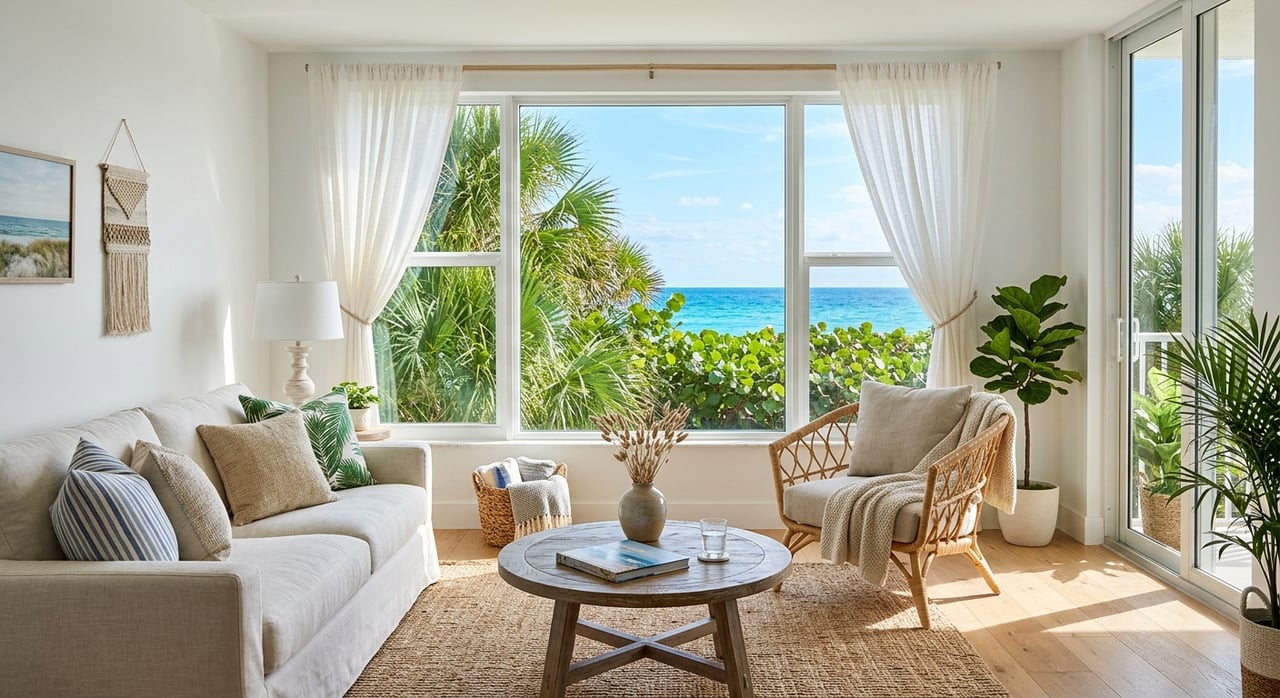
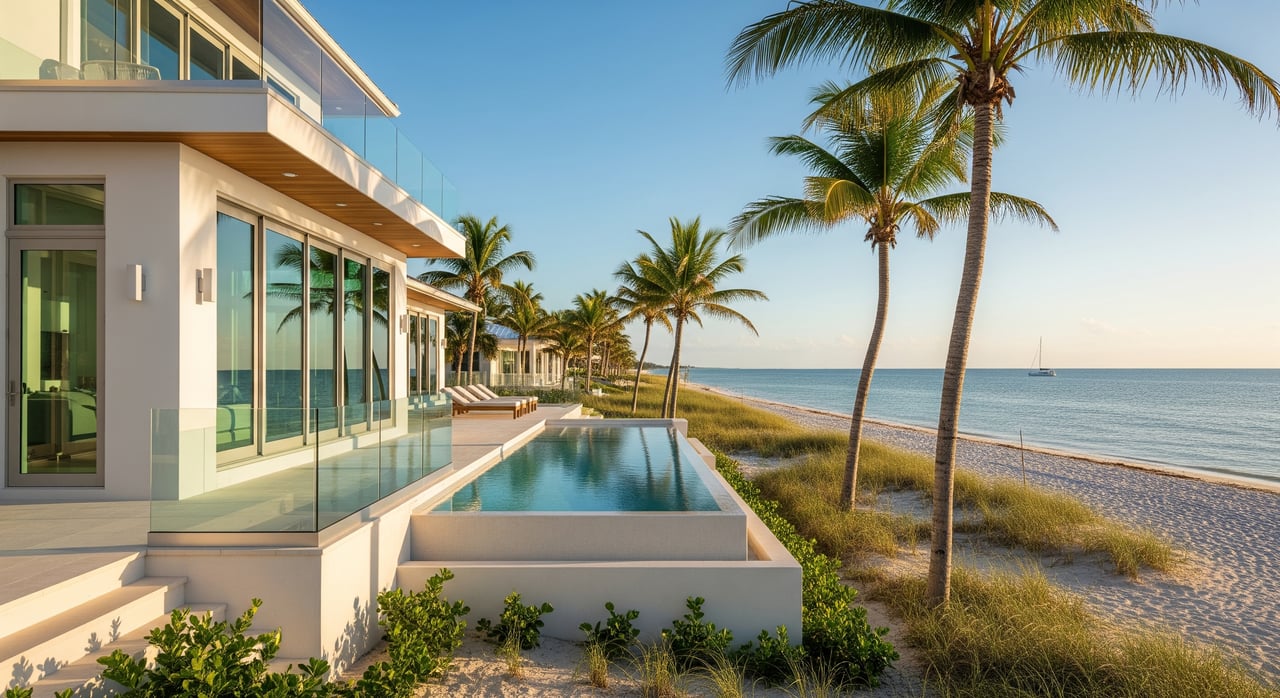
- Weeks 5 to 8: Stage for island lifestyle. Book professional photography and video. For winter, highlight sunshine, outdoor spaces, and beach access. For summer, schedule photos in the morning or early afternoon to avoid storms and capture clear skies.
- Final prep: Be ready with flood zone details and any recent insurance information. Buyers and lenders may ask for this, and the FEMA Flood Map Service Center is a helpful reference. Property records and tax information are available through the Manatee County Property Appraiser.
Strategy by season
Winter peak strategies
Winter buyers often include out-of-state shoppers, retirees, and investors who want turn-key homes or proven rentals. In this window, pricing can be slightly more assertive if your home is positioned well against recent comparable sales.
- Emphasize location, beach proximity, and ease of ownership.
- Highlight rental potential when permitted by your HOA or city rules, and be clear about minimum stays or restrictions.
- Use top-tier photography, virtual tours, and targeted digital outreach. Statewide and national exposure matters in winter.
- Back up your story with current local data. Statewide context is available from Florida Realtors market reports.
Summer and early fall tactics
If you list from May through September, focus on value and clarity. There are fewer shoppers, but the ones in market are serious.
- Lead with recent upgrades, energy efficiency, and maintenance history.
- Price with precision using the most recent 30 to 90 days of comparables.
- Time showings for mornings or early evenings when weather is calmer and cooler.
- Make your online presence stand out with crisp visuals and complete listing details.
Hurricane season considerations
Storm headlines can slow showings for a few days, then activity rebounds. Plan ahead so you can navigate brief disruptions with less stress.
- Avoid going live during an imminent storm threat if you can.
- Have inspection, roof, and insurance information ready for buyer questions.
- Follow official updates from the National Hurricane Center. Your agent will help you adjust showing schedules as needed.
Selling a vacation rental or condo
Many Bradenton Beach properties serve as vacation rentals or seasonal retreats. Investors will ask for clear details and documentation.
- Gather rental history, occupancy, and any revenue records you are comfortable sharing.
- Confirm HOA or condo rental policies, including minimum stays and application timelines.
- Disclose known assessments, reserve studies, and relevant association documents so buyers can make confident decisions.
Pricing with seasonality in mind
Your list price should reflect current local inventory and the latest comparable sales. Seasonality affects how quickly homes get absorbed. In peak months you may be able to list more assertively if supply is tight. In quieter months, a strategic price and strong online presentation can help you compete.
When in doubt, track key indicators: active listings, new listings, median days on market, and list-to-sale price ratios. Your agent can pull hyperlocal data from the MLS and pair it with broader insights from Florida Realtors.
Local logistics that affect timing
Coastal properties involve a few added steps that are easy to plan for.
- Permits and repairs: If you plan structural or dock work, check whether permits are needed. Timelines can add weeks or months.
- Flood and insurance: Buyers using certain loans may need flood insurance, and they often ask about flood zones and recent premiums. The FEMA Flood Map Service Center is a reliable reference point.
- Taxes and closing: Some sellers coordinate closing dates with tax planning. Ask a tax professional what timing makes sense for you.
- Disclosures: Florida has established seller disclosure practices. A local, experienced agent can guide you through what to provide and when.
Your next steps
- Pick your target go-live date within late October to early March if possible.
- Work backward 6 to 12 weeks to schedule prep, photos, and marketing.
- Gather HOA, flood, and maintenance documents now so buyers get quick, complete answers.
- Ask for a pricing and timing review grounded in current MLS data and recent island comps.
If you want a clear, simple plan tailored to your property, we are here to help. As a mother and daughter team rooted on Anna Maria Island, we blend island know-how with modern marketing to help you launch at the right moment and sell with confidence. Reach out to Your AMI Home Girls to get your free home valuation or schedule a consultation.
FAQs
When is the best month to list in Bradenton Beach?
- Late October through early March generally captures the highest buyer traffic, with strong activity from November to February.
How does hurricane season impact listing plans?
- Hurricane season runs June 1 to November 30, and while storms can temporarily slow showings, smart timing and monitoring the National Hurricane Center help you avoid disruptions.
Is summer a bad time to sell on Anna Maria Island?
- Summer is quieter but workable if you price precisely, lean on standout online marketing, and time showings to pleasant weather windows.
What documents should I gather before listing in Bradenton Beach?
- Collect HOA or condo documents, rental rules, any assessments, flood zone details from the FEMA Flood Map Service Center, and recent maintenance or inspection records.
Do buyers ask about flood insurance and taxes?
- Yes, buyers often ask about flood zones, insurance, and tax details, so having references like FEMA maps and property records from the Manatee County Property Appraiser ready can speed decisions.