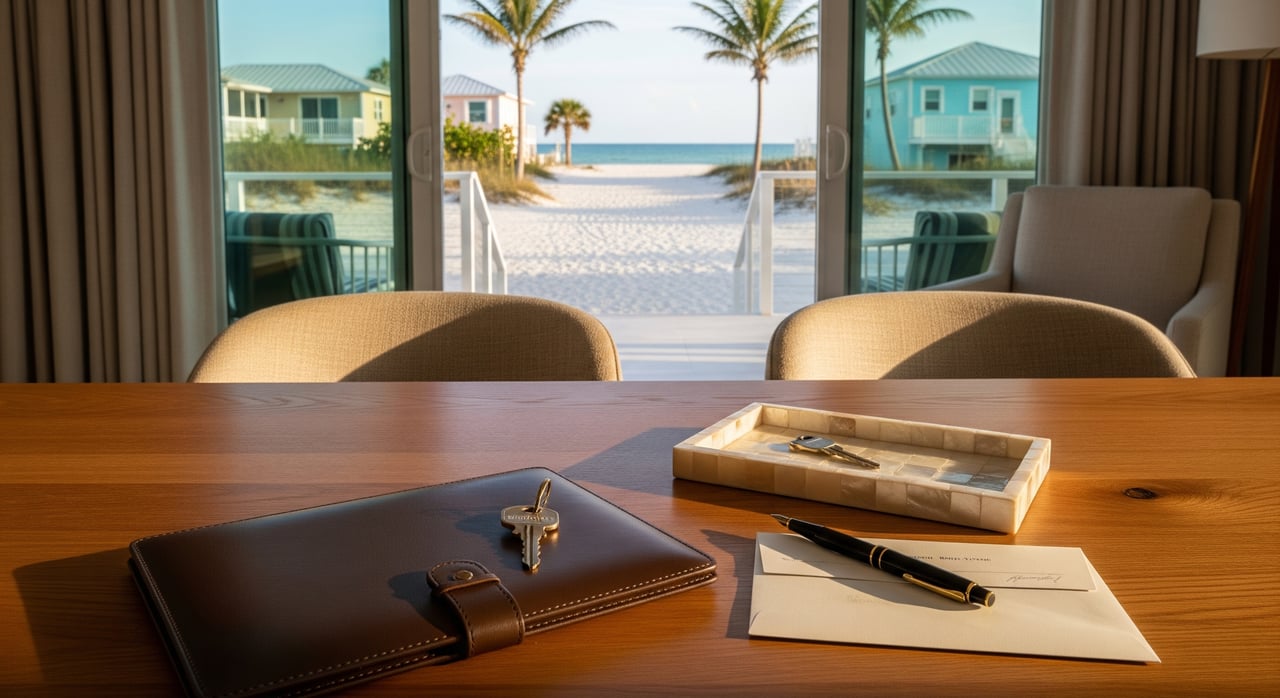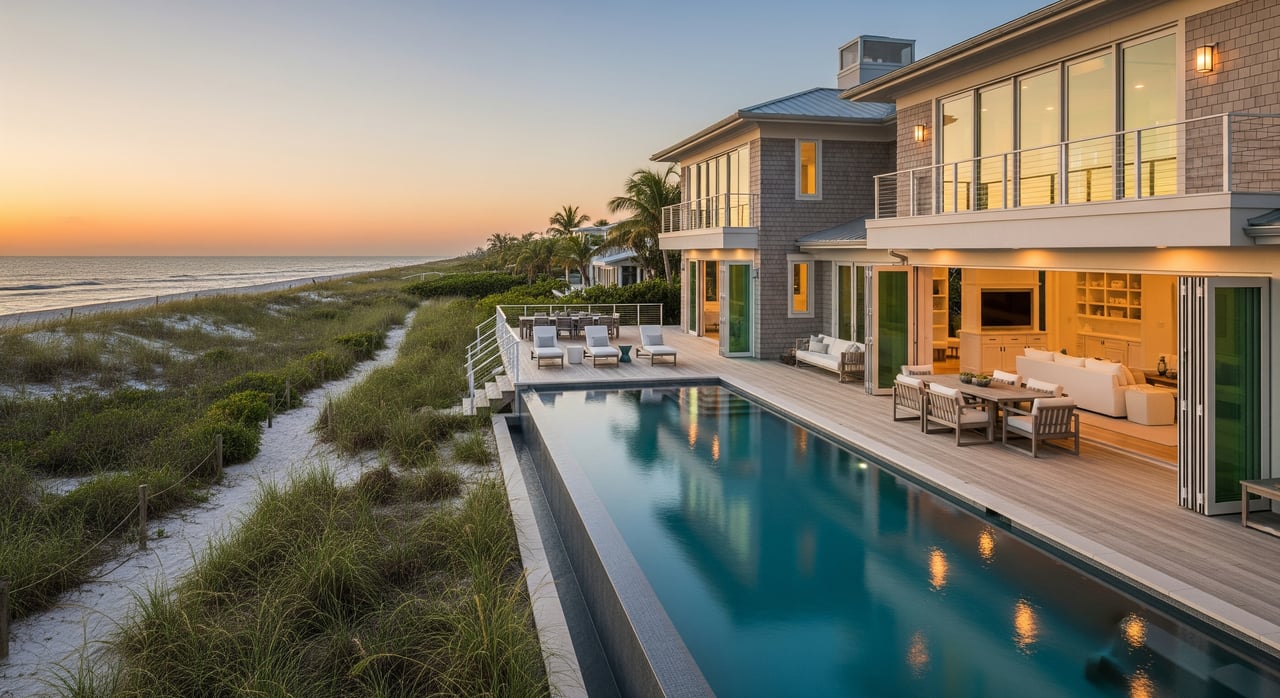
Two coastal homes can have the same square footage and still feel worlds apart in Holmes Beach. The difference often comes down to the features buyers value most on Anna Maria Island. Whether you are planning to buy or getting ready to sell in 34217, knowing which upgrades and details matter will help you move with confidence. This guide walks you through the high‑impact features, local rules and risks, and simple checklists to make smart decisions. Let’s dive in.
Water access that commands attention
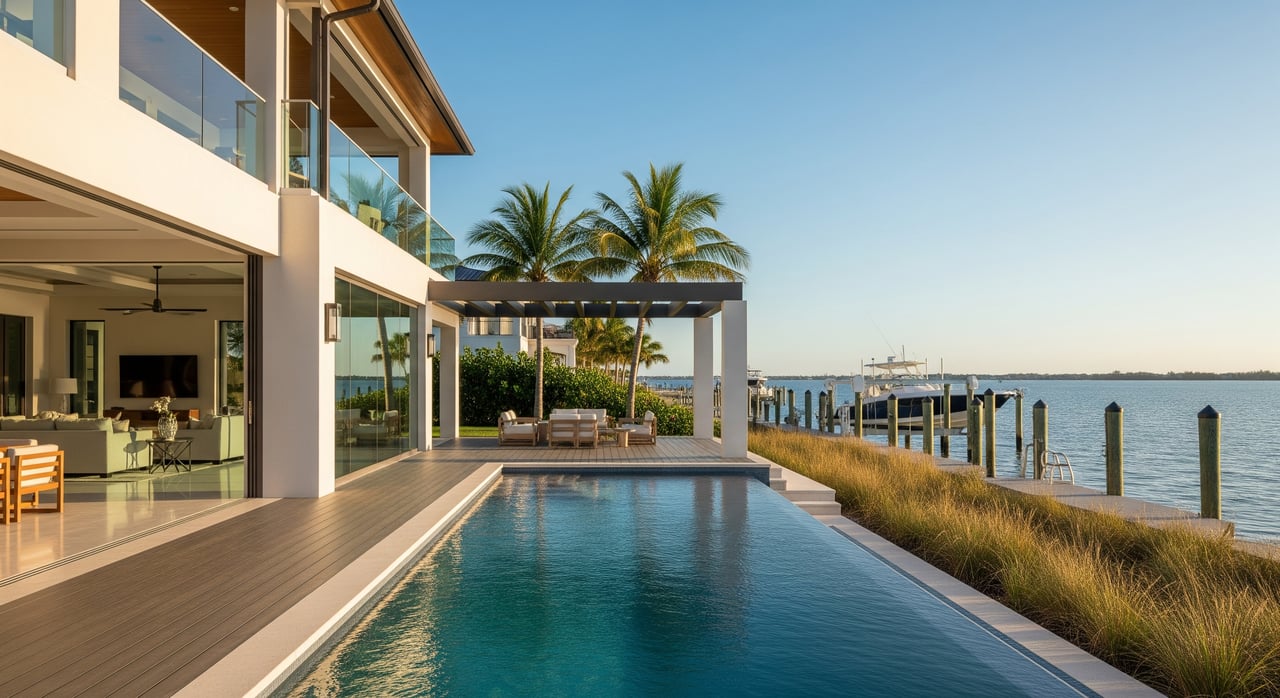
If you can step onto the sand or launch a boat with ease, your property will stand out. A short walk to the Gulf holds strong appeal due to lifestyle, sunsets, and daily beach access. On canals or the Intracoastal, buyers often look for a private or community dock and a lift sized for their boat. If a property includes water access, verify permits, riparian rights, and the condition of seawalls and docks.
On island streets with limited space, practical access matters too. Wide driveways or thoughtful parking solutions that fit a small boat trailer can be a quiet advantage. For any dock or seawall, documentation of permits and recent inspections will reduce friction during negotiations. Clear ownership details help buyers move forward faster.
Sunsets, views, and orientation
Unobstructed water views are a top driver of interest and price. Homes oriented west with balconies or elevated decks capture those signature Gulf sunsets buyers dream about. Rooftop terraces and well‑placed windows that frame water or sky can elevate even a modest footprint. Keep vegetation and sightlines trimmed so that views remain the star.
Privacy matters alongside views. Simple design choices, like strategic fencing or landscaping, help you enjoy an open feel without giving up seclusion. When listing, highlight vantage points at different times of day. Buyers want to picture morning coffee, mid‑day shade, and the evening glow.
Outdoor living built for island life
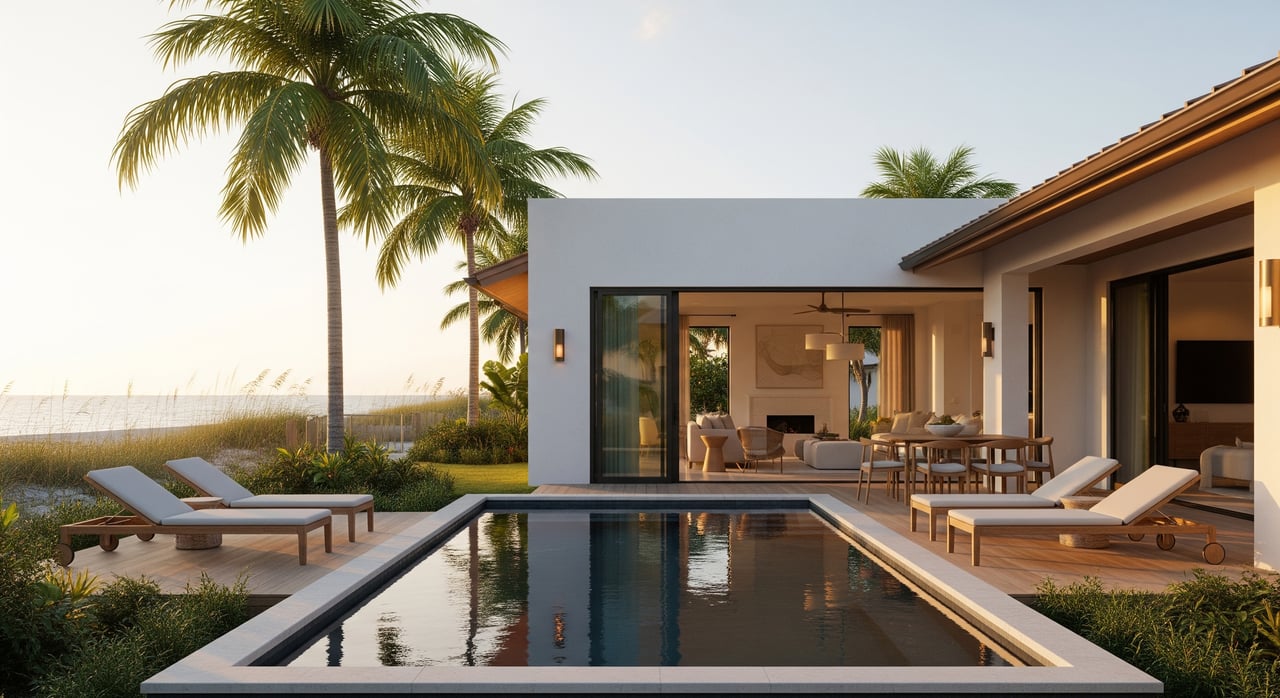
On Anna Maria Island, your lanai often feels like an extra room. Covered outdoor spaces, screened porches, and large decks let you enjoy the sea breeze while staying protected from sun and insects. An outdoor kitchen, shaded dining area, and durable furniture make daily living and entertaining easy. Native and low‑maintenance tropical landscaping is both beautiful and resilient.
Storm‑rated screens or removable shutters help you use these spaces most of the year. Thoughtful lighting, fans, and water‑resistant cabinetry make the space more comfortable and practical. If you are remodeling to sell, focus on upgrades that extend usable living space outdoors without adding heavy maintenance.
Storm‑ready and resilient construction
Resilience is top of mind for Gulf Coast buyers. Elevated foundations or pilings that meet local flood‑elevation requirements can reduce flood risk and may improve insurance options. Impact‑rated windows and doors or properly rated shutters add safety and can support insurance savings. Roof condition and type matter; standing‑seam metal and well‑maintained membranes are preferred in salty, windy environments.
Coastal materials pay off over time. Fiber‑cement siding, PVC trim, composite decking, and stainless or marine‑grade fasteners resist corrosion. Mechanicals like HVAC units, water heaters, and electrical panels should be elevated or protected per current flood code. If you have invested in mitigation, keep records to show buyers the work and compliance.
Comfort and efficiency that last
Energy‑smart mechanicals help with comfort and operating cost. Variable‑speed HVAC systems, coastal‑grade coils, and corrosion protection improve performance in humid, salty air. Good insulation and air sealing reduce moisture intrusion and keep HVAC run‑time down. A tankless or elevated water heater and whole‑house surge protection are practical upgrades.
Backup power adds peace of mind after storms. A generator or a pre‑wired transfer switch can help you restore essentials quickly. For buyers, these are not just nice‑to‑haves; they speak to readiness and care.
Interiors that fit coastal living
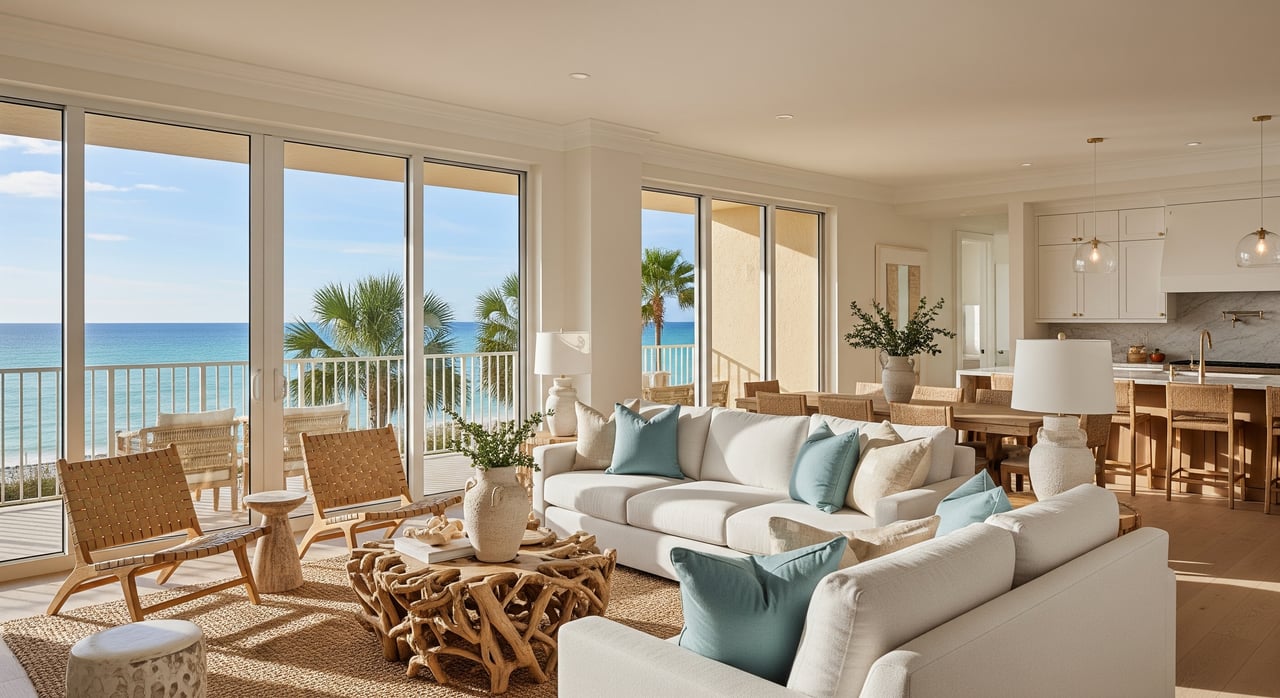
Open layouts that connect indoors and outdoors are in high demand. Large sliders and windows bring in natural light and extend views. Durable, water‑resistant flooring like porcelain tile or coastal‑rated engineered options handles sand and humidity well. A simple drop zone or mudroom near the entry keeps beach gear, towels, and sunscreen organized.
Storage for kayaks and paddleboards is a plus. Many buyers also want a flexible room for work or guests, especially if they split time between the island and another home. Clean, modern finishes with a light coastal palette help spaces feel calm and fresh.
Low maintenance and smart tech
Low‑care exteriors, composite decking, and native landscaping reduce weekend chores. Smart thermostats, irrigation, lighting, and security systems allow you to manage the home remotely. These features matter to second‑home owners and investors who may be off‑island for part of the year. Simple, reliable systems are better than complicated setups that are hard to maintain.
Local rules and risk factors to check
Flood zones and insurance are central to any coastal purchase. Holmes Beach includes areas in FEMA special flood hazard zones like AE or VE. Lenders may require flood insurance in these zones, and premiums vary by elevation and other risk factors. An elevation certificate helps buyers and insurers estimate risk, so request or provide one early.
Permits and code compliance matter for any remodel, addition, dock, boat lift, or seawall. The Florida Building Code applies, and local permits are required for coastal construction. Beach, dune, and shoreline work may also involve county or state approvals. Unpermitted work can slow or derail a sale, so verify permit history and gather as‑built documentation.
Short‑term rental rules influence value and demand. Holmes Beach has specific ordinances, and HOA covenants may layer on additional restrictions such as licensing, occupancy limits, and parking rules. If rental income is part of your plan, confirm requirements and taxes before you write an offer. Sensitive habitats, native vegetation rules, and dune protection may also guide what you can plant or modify.
Salt air accelerates wear and corrosion. Inspect for hidden issues on HVAC coils, fasteners, exterior lighting, pool equipment, and railings. Buyers who see proactive maintenance feel more confident. Sellers who refresh corroded fixtures and document service records make a stronger first impression.
What sells in today’s Holmes Beach market
Waterfront and gulf‑view homes often command premiums and move faster because of lifestyle and scarcity. These properties also come with higher maintenance, insurance considerations, and permitting oversight. Non‑waterfront homes within a short walk to the beach compete well when they offer upgraded outdoor living and turnkey interiors. Buyers consistently favor move‑in‑ready finishes and documented resilience upgrades.
Insurance costs and operating expenses factor into pricing and negotiation. Some buyers compare National Flood Insurance Program options with private carriers and review wind coverage for homeowners policies. Lenders may ask for details on flood zones and the condition of seawalls or docks. Investors who plan to rent should verify lender rules and how rental income is considered.
Seller checklist: upgrades and documents buyers want
- Provide a current elevation certificate and any recent inspection summaries.
- Gather permits and final inspections for renovations, docks, lifts, and seawalls.
- Prioritize impact windows or rated shutters; elevate or protect mechanicals.
- Replace corroded exterior fixtures with marine‑grade hardware and refresh paint.
- Stage outdoor living areas with simple, durable furnishings and lighting.
- Service or repair seawalls and docks; have condition reports ready.
- If selling a rental, compile licenses, rental history, occupancy, and expense statements.
- Clear access to crawlspaces, attics, and mechanicals so inspectors can work efficiently.
Buyer checklist: due diligence for island homes
- Request a flood‑risk review and an elevation certificate when applicable.
- Get flood and homeowners insurance quotes early in the process.
- Hire inspectors with coastal experience to assess corrosion, roof wind resistance, moisture, and HVAC placement.
- Inspect seawalls, docks, and lifts; verify permits and service records.
- Review permit history for additions, renovations, and shoreline work.
- Ask about any storm damage, moisture events, and mold remediation.
- Confirm short‑term rental rules with the city and any HOA if you plan to rent.
- Verify utilities, trash schedules, and local parking regulations on narrow streets.
- Consider quotes for a whole‑home generator if backup power is a priority.
How we help on Anna Maria Island
You deserve guidance tailored to island life. As a mother–daughter team rooted in Holmes Beach, we help you weigh lifestyle features, insurance and flood details, and rental potential with clarity. Our two‑generation approach blends seasoned transaction expertise with digital‑first marketing and relocation support. For investors and seasonal owners, we provide a seamless path to vacation‑rental and property‑management solutions through our brokerage network.
If you are selling, we focus your budget on upgrades that resonate with today’s buyers and organize the documents that make your home easier to say yes to. If you are buying, we help you assess value beyond square footage by looking at water access, resilience, and long‑term maintenance. Ready to talk through your plan for 34217? Connect with Your AMI Home Girls to get local, personal guidance that fits your goals.
FAQs
Holmes Beach flood zones and mortgages: will a flood zone block financing?
- No. Lenders typically require flood insurance in special flood hazard areas, so the key is obtaining appropriate coverage and understanding premiums early.
Seawalls and docks in Holmes Beach: are permits transferrable?
- Ownership transfers with the property, but permits and specifications can be site‑specific. Always verify permit history and the current condition before closing.
Impact windows vs. shutters: which do buyers prefer on AMI?
- Both add protection. Impact windows may support insurance discounts and daily convenience, while shutters can be more budget‑friendly. Local code and buyer preference guide the choice.
Inspections for island homes: do you need a specialist?
- Yes. Choose inspectors with coastal experience who know how to evaluate corrosion, seawalls, flood vulnerabilities, roof wind resistance, and hurricane‑related issues.